~Music The Clause Mick Mars Wrote to Protect Mötley Crüe Removed Him From It Mötley Crüe won its arbitration against Mick Mars using a clause Mars himself demanded in 2008: stop touring, stop collecting. The ruling closed one badly built contract. Colorado just signed a better one into law, and it arrives about forty years too late for him.
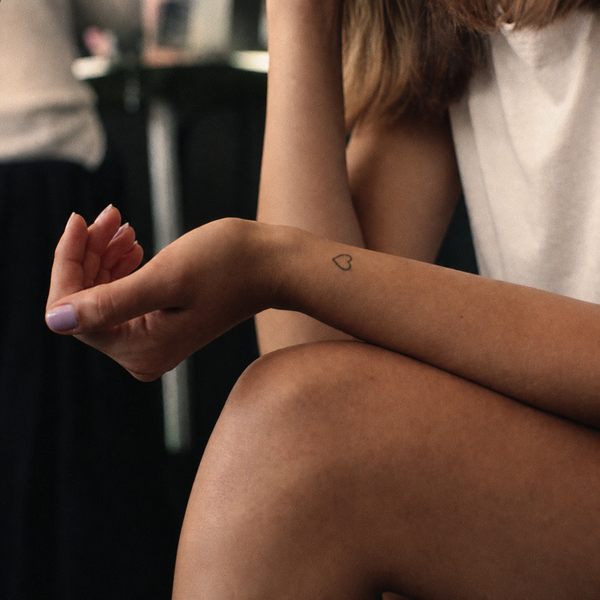
~Culture Your Next Tattoo Won't Hurt. The Pain Was the Point CipherX can now deliver a permanent tattoo through an adhesive patch — no needle, no chair, no artist talking you out of the dragon. The pain was never the decoration, though. It was the receipt. And nobody has said what replaces it.
~AI The Robot Grandmother Will See You Now UBTech's new companion robot wears silicone skin, blinks on cue, and can speak in a dead loved one's voice. 13,000 orders arrived before most of us finished coffee. A field report from the uncanny valley of the heart, guided by the surrealists, who understood love was always partly invented.
~AI When Thinking Aloud Becomes Testimony Prosecutors now pull ChatGPT histories into open court, treating private conversations with machines as testimony. What photography's slow, century-long path to legal trust reveals about the newest witness in the room, and the price of a recordable mind.
~Culture Space Junk: Taking the Cosmos Back from the Guys in Cowboy Hats When Bezos went to space in a cowboy hat, someone had to laugh. Space Junk magazine (256 pages, Bottega Veneta ad) is making the case that the cosmos belongs to everyone. Even the people who can’t afford a SpaceX hoodie.
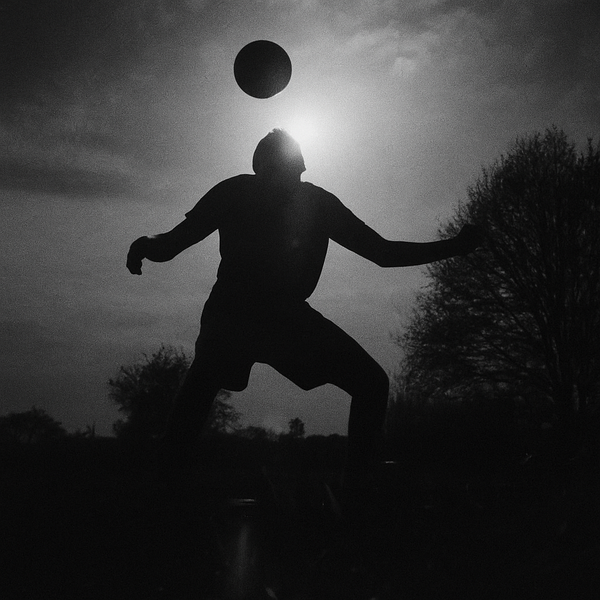
~AI We Built Twins to End the Blown Call. They Redefined Judgment FIFA scanned every player at the 2026 World Cup into a body-accurate avatar that can settle an offside call in under a second. The technology works. The harder question is what happens to human judgment when a duplicate starts making the call, on the pitch and in the studio alike.
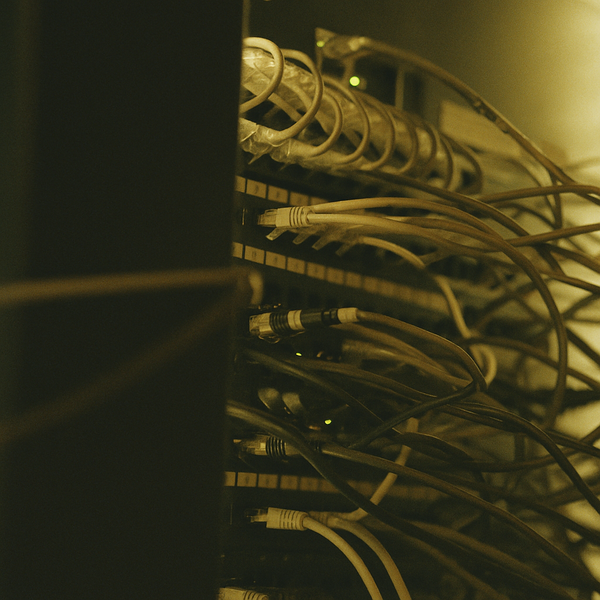
~Technology Why Artists Are Running Their Own Data Centers In Linz, a cultural association runs servers the way printmakers run presses. A new browser attack called FROST, which reads your activity through SSD timing, shows why that matters: when artists configure the stack themselves, privacy becomes a design question they can answer.
~Technology China Built a Brain Implant. Who Gets to Read What's Inside? China just approved the world's first commercial brain implant. It gives a paralyzed person back the use of their hands, a genuine marvel. It also opens a door that won't close: once a device reads the signals near your cortex, the real question is who else gets to look.
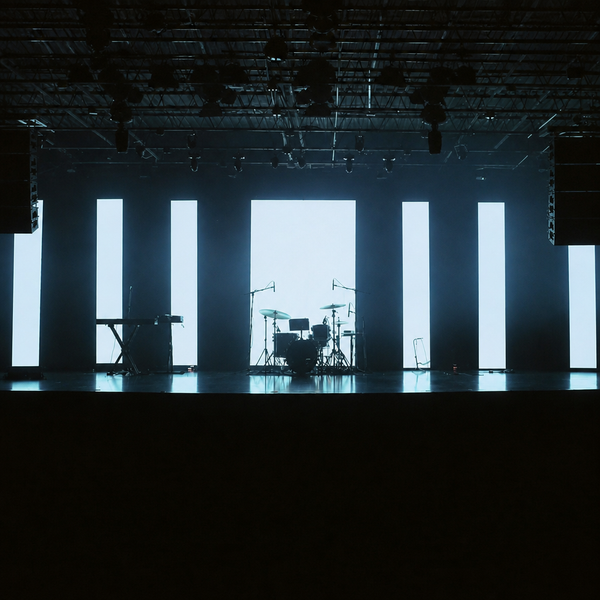
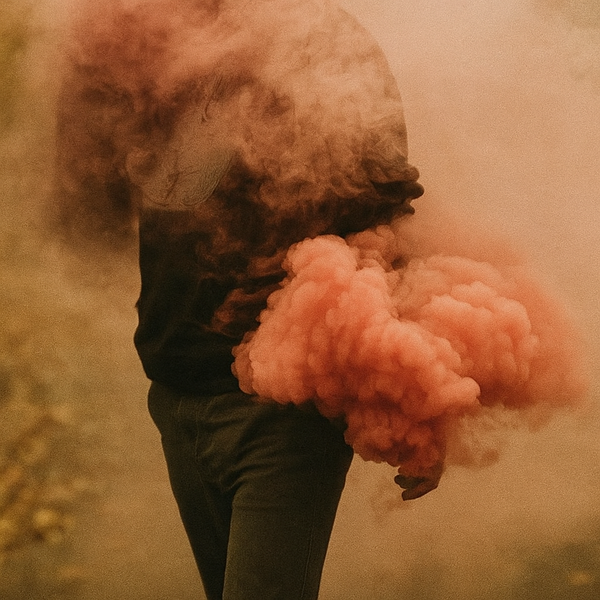
~Music How a Pink Balaclava Transforms the Art World Into a Rock Club Pussy Riot stormed the Russian pavilion at the 61st Venice Biennale under pink smoke, chanting “Disobey.” For about half an hour the gutter crashed the penthouse. A field report on what rock actually is, and why the realest art always costs something to make.
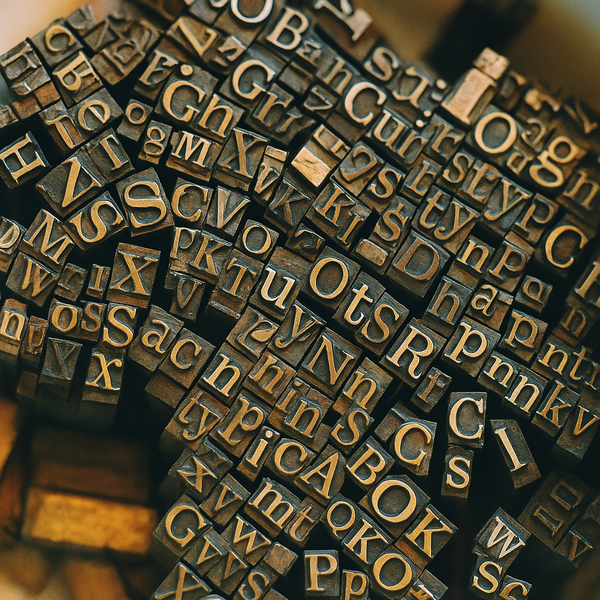
~AI AI Isn't Killing Typography—It's Exposing How We Stopped Caring About Being Addressed There is something quietly political about choosing a typeface. It says: I thought about how this would arrive. Gotham Variable arrived this month, and almost nobody noticed. Perhaps that is the most interesting thing about it.
~Technology The Sound of a Labrador's Paw on a Button While Grandma Yells at Alexa A Labrador in Milton Keynes is already pressing a button to turn on his owner's lamp. Meanwhile, the rest of us are downloading apps and factory-resetting our dignity. The dog button is trying to tell us something about design — and it's funnier and more serious than it sounds.
~AI How We Learned to Ask Machines to Hold Our Pain The most human thing about us has always been our urge to build sanctuaries. Now coders, neuroscientists, and AI are helping us build them inside the machine — and the results are stranger and more tender than you'd expect.