Toilet Humor: Why Do We Laugh at the Design That Actually Changes How We Live?
A Spanish company built a toilet that ate its own tank, won a design award for it, and nobody at dinner had anything to say. What our silence about bathroom design reveals about the innovations we dismiss — and why the unglamorous stuff is the only design that actually changes how people live.

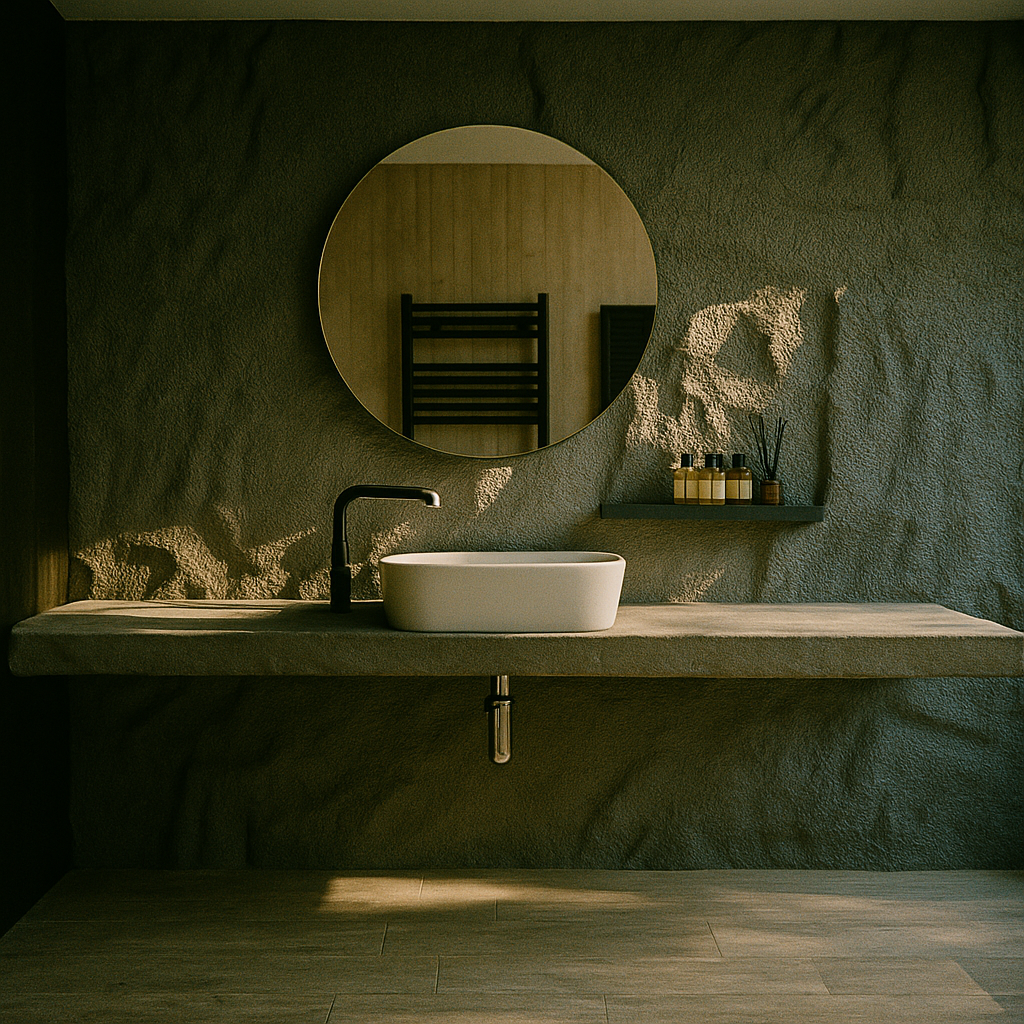
The Spanish company Roca built a toilet that hides its own tank inside the bowl, won the Gold Delta at the ADI Awards 2024 for doing it, and nobody at the dinner party I attended last Saturday had anything to say about it. This strikes me as a civilizational problem.
We will spend ninety minutes dissecting the new iPhone camera's ability to make our chins look slightly less like chins. We will argue ourselves hoarse about a streaming series we all secretly abandoned after episode two. But show someone a toilet reengineered from the inside out, a toilet representing decades of experience, and they nod politely. The way they nod when you explain what you do for work.
The toilet in question is called Avant. According to Roca, it "integrates the cistern inside the bowl, out of sight," which "maximises available space and unifies aesthetics and practicality in the bathroom." Corporate-speak for: we finally removed that weird backpack your toilet has been wearing for 150 years.
Consider how long the tank-on-top design went unchallenged. Henry Ford replaced horses. Steve Jobs replaced keyboards. Nobody, for generations, replaced the porcelain shoulder pads sitting behind your butt. The tank was load-bearing furniture in the national imagination. It held bath towels. It hosted decorative seashells. It was where the cat sat.
And now a company in Barcelona has decided: enough. The In-Wash In-Tank, as Roca's smart version is called, "eliminates the cistern and integrates the water tank into the bowl." The bowl contains itself. The bowl is whole. Somewhere in a design studio, a very serious person drew this on a napkin and a boss said yes.
I want to sit with this for a moment, because the cultural instinct to laugh at toilet design, and I include myself, a person writing a column called "Toilet Humor", is the same instinct preventing us from noticing good design at all. We reserve reverence for objects signaling status: cars, watches, the minimalist chair destroying your lower back. A toilet cannot signal status because everyone owns one and nobody wants to discuss what happens there. So the toilet turns invisible, and the people improving it turn invisible, and design awards for sanitaryware register as roughly as exciting as municipal zoning meetings.
Which is a waste, because the bathroom is where design matters. You spend a considerable portion of your life in there. It is the room where your knees will eventually betray you. It is the room where small children learn about gravity, usually by dropping a phone into it. A well-designed toilet is infrastructure for the body at its most honest.
Roca seems to know this. Their Avant toilet won the Gold Delta at the ADI Awards. Roca's wider design work has earned multiple iF Design Awards. Designboom ran a feature titled "roca's avant toilet maximizes bathroom layouts through integrated solution." The design world is paying attention. The rest of us are still giggling.
Here is what I find genuinely moving, buried under the ceramic: the Trustpilot reviews. Go read them. People are not there to discuss the philosophy of integrated cisterns. They are there because "I purchased a complete Roca Debba Round Rimless close coupled open back toilet," and they want to tell you about it. They want to tell you about the fitter who came on a Tuesday. They want to tell you about the seat that broke two years after moving in. One reviewer notes, with the pure heart of someone critiquing a commodity as if it were a novel, that "customers like the look, shape, color scheme. Easy fit and standing."
Easy fit and standing. I have never read a more generous sentence about a toilet. It is the kind of sentence a grandmother writes. It is the kind of sentence reminding you that behind every piece of industrial design is an actual human being in an actual house, trying to figure out whether the new thing is better than the old thing, and whether the plumber is ever going to call back.
This is the part where a different kind of writer would pivot to AI. Something about how even our toilets are getting smart now, how Roca's In-Wash line features bidets and heated seats and probably, eventually, a little voice complimenting your posture. Fair point — the smart toilet is coming, it is already here, and it will someday judge us. But the Avant is more interesting because it is not trying to add intelligence. It is trying to subtract furniture. It is a design philosophy saying: the best technology disappears.
Which, if you squint, is a useful lesson for an era obsessed with adding screens to things. Your refrigerator does not need to tweet. Your mirror does not need to rate your outfit. Sometimes the correct design move is to remove the tank, hide the cistern, and give you back the four square feet of floor you did not know you were mourning.
We laugh at toilet innovation because the subject feels beneath us — literally, geographically, beneath us. But design treating the unglamorous parts of life with seriousness is the only design changing how people live. Fashion changes how we are seen. Architecture changes how we gather. Plumbing changes whether we get cholera. Guess which one wins.
So here is my modest proposal: the next time someone at a dinner party asks what's new in design, skip the chair nobody can afford and the watch nobody needs. Tell them about the toilet eating its own tank. Tell them a company in Spain spent years figuring out how to give you back your bathroom floor. Watch their face do the thing where they almost laugh and then realize they're curious.
That pause — the half-laugh, the shift into interest — is where culture updates. Not in the manifestos. In the bathroom.
Easy fit and standing. Honestly, aren't we all trying.
References
- https://www.roca.com/launches
- https://www.roca.com/avant
- https://www.trustpilot.com/review/roca.com
- https://www.us.roca.com/news/roca-earns-the-highest-recognition-at-the-2024-delta-awards
- https://www.roca.com/smart-toilets/about
- https://www.us.roca.com/news/roca-presents-in-wash-in-tank-smart-toilet-integrated-cistern
- https://www.mt.roca.com/news/roca-continues-receive-global-recognition-2023-product-launches
- https://www.us.roca.com/launches/unveils
- https://www.trustpilot.com/review/www.uk.roca.com
- https://www.designboom.com/design/roca-avant-toilet-bathroom
Models used: gpt-4.1, claude-opus-4-7, claude-sonnet-4-20250514, gpt-image-1
If this resonated, SouthPole is a slow newsletter about art, technology, and the old internet — written for people who still enjoy thinking in full sentences.