Does Meta's Nuclear Move Signal a New Age of Clean Energy Skepticism?

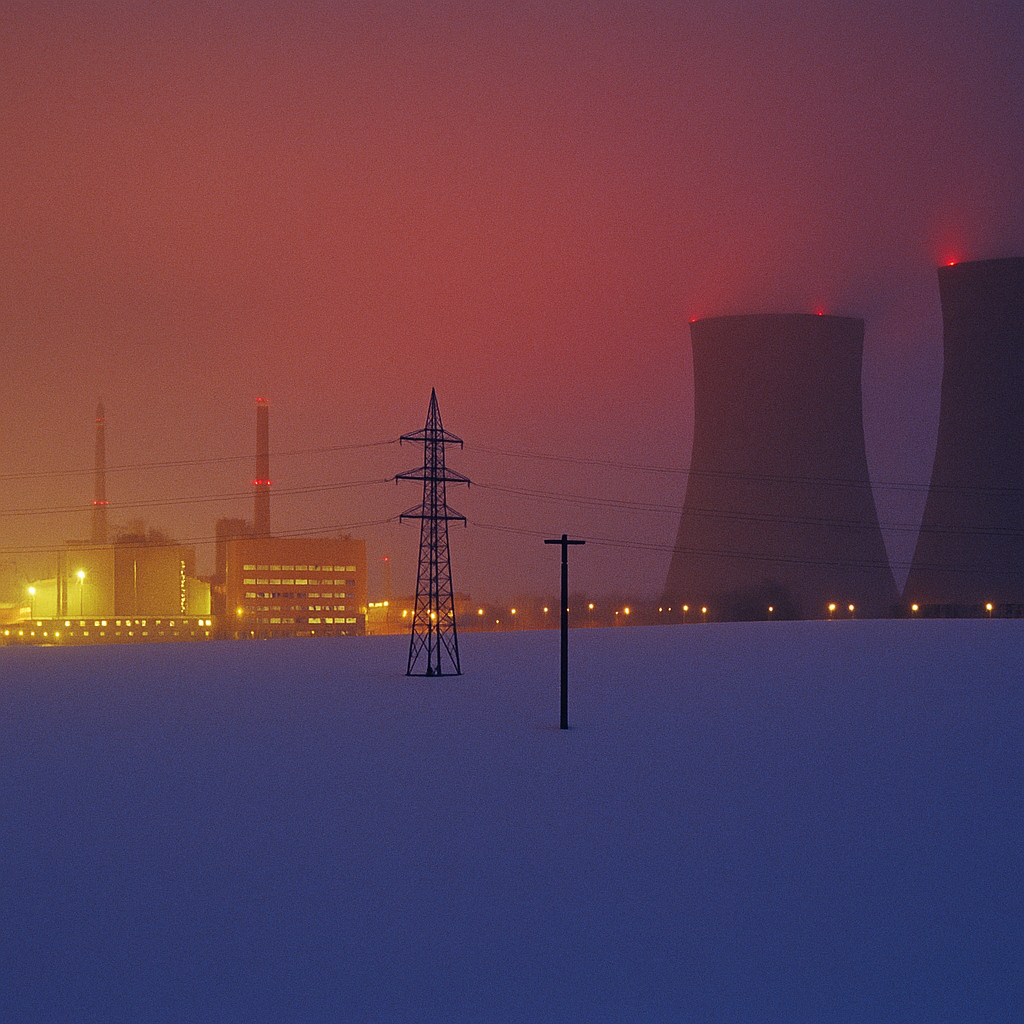
Remember when nuclear power was the boogeyman of the energy world? The thing that made environmentalists chain themselves to fences and inspired a thousand disaster movies? Well, plot twist: Big Tech just swiped right on atomic energy, and Meta's leading the charge with enough nuclear deals to power a small country. Or, more accurately, enough to power the insatiable appetite of artificial intelligence.
Meta recently announced what might be the most aggressive nuclear energy play in corporate history, securing agreements that could deliver up to 6.6 gigawatts of nuclear power by 2035. That's not a typo, 6.6 gigawatts. For context, that's enough electricity to keep the lights on in several million average homes. But Meta isn't planning to light up suburbia; they're feeding the beast that is AI computation.
The deals read like a who's who of nuclear innovation: Vistra, TerraPower (yes, Bill Gates's nuclear company), Oklo, and Constellation Energy. Each brings something different to the table. Vistra with potential uprates at existing plants, TerraPower and Oklo with their shiny new small modular reactor designs, and Constellation with good old-fashioned nuclear baseload power through a 20-year agreement announced in June 2025.
Meta isn't alone in this nuclear renaissance. Google's confirmed its first small modular reactor location and Amazon's sniffing around nuclear options. Microsoft's been making moves too. It's like watching the tech titans play a very expensive, very radioactive game of poker, except the stakes are the future of both artificial intelligence and clean energy.
The Great Nuclear Image Rehabilitation
What's fascinating isn't just the scale of these deals, it's what they represent for nuclear energy's public image. For decades, nuclear power has been the energy source that dare not speak its name in polite environmental circles. Solar panels? Sexy. Wind turbines? Majestic. Nuclear reactors? About as popular as a skunk at a garden party.
But AI has changed the math in ways that would make even the most ardent nuclear skeptic do a double-take. The energy demands of training and running AI models at scale are staggering. Suddenly, the intermittency problems of renewables aren't just inconvenient they're existential threats to the business models of companies betting everything on AI supremacy.
Nuclear offers what solar and wind can't: reliable, round-the-clock power generation that doesn't care if the wind stops blowing or clouds roll in. It's the energy equivalent of that friend who always shows up on time, never flakes, and brings exactly what they promised to the potluck. Boring? Maybe. Reliable? Absolutely.
Meta's announcement specifically frames these deals as powering "American Leadership in AI Innovation." Note the patriotic framing. This isn't just about keeping the servers cool; it's about national competitiveness in the AI arms race.
The Ethics of Atomic AI
Here's where my brain starts asking uncomfortable questions: What happens when the companies that know the most about us, our habits, our secrets, our late-night shopping binges, are also becoming major players in nuclear energy? It's like finding out your therapist just bought a uranium mine. Sure, they promise it's for therapeutic purposes, but still.
There's something profoundly ironic about using nuclear fission, a technology we discovered while trying to blow each other up, to power artificial intelligence systems we're building to, theoretically, make the world better. It's like using a sword to spread butter: technically effective, but you can't help wondering about the underlying assumptions.
Consider the environmental justice angle. These nuclear facilities have to go somewhere. And that somewhere usually isn't Palo Alto or Seattle. The communities hosting these facilities, often rural, often economically disadvantaged, bear the risks while tech companies hundreds of miles away reap the benefits. It's the ultimate "not in my backyard" scenario, except the backyard belongs to someone who probably can't afford a Meta Quest headset.
Then there's the question of precedent. If tech companies can essentially become their own utilities, what does that mean for energy democracy? We're watching the emergence of a new kind of corporate feudalism where companies don't just control the digital infrastructure but the physical infrastructure that powers it. Meta isn't just deciding what you see in your news feed; they're potentially influencing the entire energy grid.
The Second-Order Effects Nobody's Talking About
Interesting stuff always happens at the edges. What happens to renewable energy development when the biggest corporate buyers of clean energy suddenly pivot to nuclear? Does the wind and solar industry lose its most powerful advocates, or does this create a more balanced clean energy portfolio?
There's also the talent pipeline question. Nuclear engineering programs have been struggling for decades, victims of an industry that seemed to be in permanent decline. Now, suddenly, there's Silicon Valley money attached to nuclear energy. Will we see a generation of engineers who might have gone into software development choosing nuclear physics instead? And what happens when you apply the "move fast and break things" ethos to nuclear technology? (Spoiler alert: please don't.)
The geopolitical implications are equally fascinating. These small modular reactors could theoretically be exported, creating a new kind of American soft power. Imagine a world where American tech companies aren't just exporting social networks and search engines but the nuclear reactors that power them. It's either the best idea ever or the plot of a dystopian novel, possibly both.
The Comedy of Errors That Got Us Here
What's darkly hilarious about this whole situation is how we got here. We spent decades developing renewable energy technology, patting ourselves on the back for our green credentials, only to invent artificial intelligence systems so power-hungry they've sent us running back to nuclear energy like a college student returning to their parents' house after realizing apartments cost money.
It's the ultimate "task failed successfully" moment. We wanted to move away from fossil fuels, so we developed AI to help optimize our energy systems. But the AI needs so much energy that we're having to embrace the one clean energy source we spent fifty years trying to avoid. If this were a sitcom plot, critics would call it too contrived.
The timing is particularly rich. Just as a new generation that didn't grow up with Cold War nuclear anxiety was starting to warm to nuclear energy, along comes AI to turbocharge the transition. Gen Z's relationship with nuclear power is fundamentally different from their parents'. To them, nuclear isn't the scary thing that almost ended the world, that's climate change. Nuclear is the thing that might help fix it, especially if it means their ChatGPT queries don't contribute to carbon emissions.
Laughing Into the Atomic Age
Meta's nuclear gambit isn't just about powering data centers, it's about rewriting the narrative of clean energy itself. We're watching in real-time as nuclear power transforms from environmental pariah to AI's best friend, and the irony is almost too perfect. The same technology we feared would end civilization is now being recruited to power the technology we fear might end civilization. It's turtles all the way down, except the turtles are radioactive and trained on massive datasets.
The truth is, Meta's nuclear deals probably are a net positive for clean energy and climate goals. But they also represent something more complicated: the moment when our digital and physical infrastructures became so intertwined that separating them became impossible. We're not just building a clean energy future; we're building a nuclear-powered AI future, whether we're ready for it or not.
So yes, Meta's nuclear move does signal a new age, not of clean energy skepticism, but of clean energy pragmatism so extreme it's almost comedic. We've gone from "nuclear power, no thanks" to "nuclear power, yes please, and make it a double" in record time. And the punchline? It might actually work.
References
- https://about.fb.com/news/2026/01/meta-nuclear-energy-projects-power-american-ai-leadership
- https://www.cnbc.com/2025/06/03/meta-signs-nuclear-power-deal-with-constellation-energy-.html
- https://www.theguardian.com/technology/2025/jun/03/meta-nuclear-power-ai
- https://www.datacenterdynamics.com/en/news/meta-secures-up-to-66gw-of-nuclear-power-from-terrapower-oklo-and-vistra
- https://www.publicpower.org/periodical/article/meta-platforms-unveils-series-nuclear-power-agreements
- https://www.tomshardware.com/tech-industry/artificial-intelligence/meta-inks-deals-to-supply-a-staggering-6-gigawatts-in-nuclear-power-for-data-center-ambitions-enough-wattage-to-supply-5-million-homes
- https://apnews.com/article/0eb051a9a11d96f7ce200e186ad13476
- https://moneyweek.com/investments/energy-stocks/investors-should-cheer-the-coming-nuclear-summer
- https://www.itpro.com/infrastructure/data-centres/google-just-confirmed-the-location-of-its-first-small-modular-reactor
- https://www.theverge.com/news/859751/meta-nuclear-energy-plant-agreements-ai-data-centers
- https://techcrunch.com/2026/01/09/meta-signs-deals-with-three-nuclear-companies-for-6-plus-gw-of-power
Models used: gpt-4.1, claude-opus-4-1-20250805, claude-sonnet-4-20250514, gpt-image-1
If this resonated, SouthPole is a slow newsletter about art, technology, and the old internet — written for people who still enjoy thinking in full sentences.