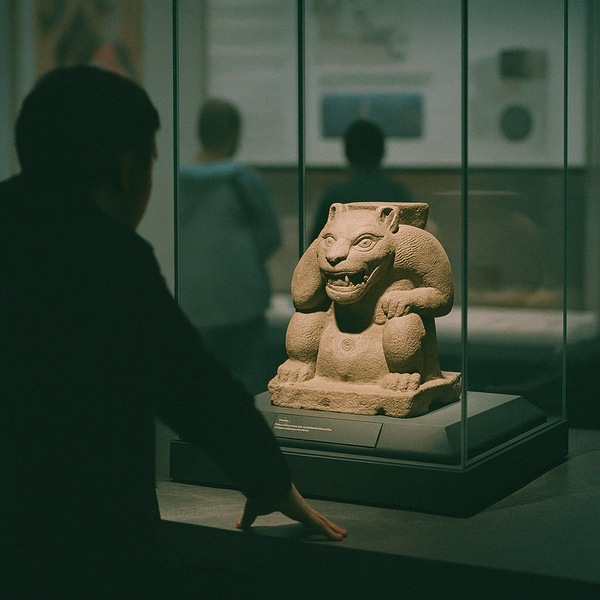
When Virtual Ghosts Haunt Real Museums

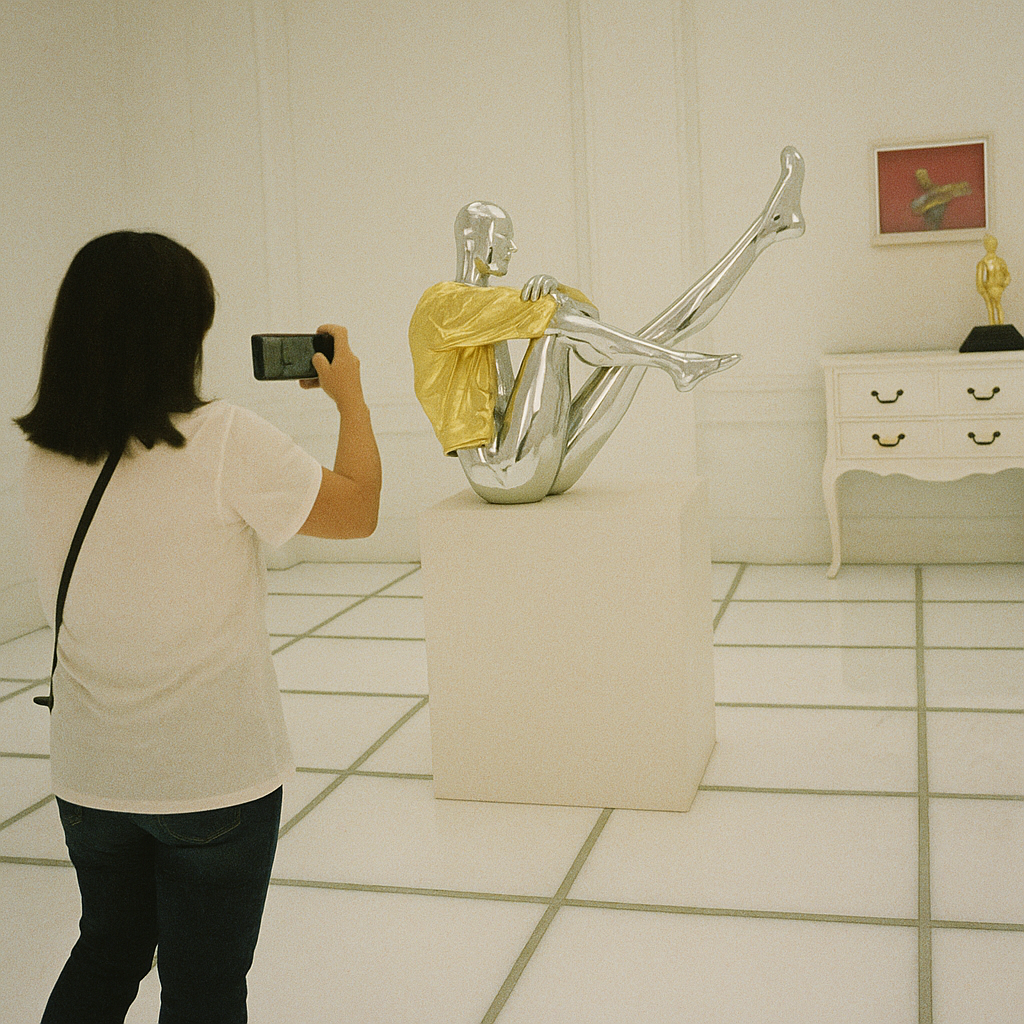
You're standing in front of the Mona Lisa, except you're also in your pajamas eating cereal at 3 AM. The security guard can't yell at you for getting too close because you're inside your own living room. And the best part? Nobody can steal her mysterious smile because she doesn't exist in your space—she's a sophisticated ghost made of light and code.
This isn't some elaborate fantasy. This is the future museums are scrambling toward, and honestly, it's about time. Because here's what nobody wants to admit: museums have become fortresses disguised as cultural institutions, and we're all pretending this is normal.
The Great Wall of Plexiglass
Remember when museums were big buildings with stuff in them? Me neither, because I'm young enough that security personnel and metal detectors have always been part of my "cultural enrichment" experience. But apparently, there was a time when you could walk into the Louvre without feeling like you were entering a maximum-security prison with nice paintings.
The paranoia isn't unfounded. Art heists aren't Hollywood fantasies—they're real, expensive, and thieves keep finding new ways to outsmart security systems. On October 19, 2025, the Louvre lost €88 million worth of Crown Jewels in a seven-minute heist. Museums now spend millions on security systems that would make Fort Knox jealous. Motion sensors, pressure plates, infrared beams—it's like Mission Impossible, except Tom Cruise is a tired grad student trying to get close enough to see the brushstrokes on a Van Gogh.
And here's where it gets darkly funny: all this security makes art less accessible to the people it's supposed to inspire. You know what's not inspiring? Standing behind bulletproof glass, ten to fifteen feet away from a painting, while a security guard gives you the stink eye for existing too enthusiastically near precious objects.
Enter the Digital Doppelgängers
Virtual reality museums aren't trying to replace the real thing—they're more like the museum's cooler younger sibling who doesn't have a curfew and lets you touch everything.
Imagine walking through the Sistine Chapel without a hundred tourists breathing on your neck. Picture examining ancient artifacts up close without some docent having a panic attack because you sneezed near a 3,000-year-old vase. VR museums offer something the real ones can't anymore: intimacy with art.
The technology is already here, lurking in our phones and gaming consoles like a cultural revolution waiting to happen. Museums are working to digitize their collections, creating 3D models so detailed you can see the individual chisel marks Michelangelo made when he was probably complaining about his back pain. Though progress varies—major institutions like the Smithsonian have digitized only about 26% of prioritized objects. It's slower than we'd like, but it's happening.
The Democracy of Digital Dust
Here's what excites me about VR museums: they're solving problems we didn't even know we had. Can't afford international travel to see masterpieces in Paris, Rome, or Amsterdam? VR could democratize access. While many major U.S. museums are wheelchair accessible with elevators and accommodations, geographic distance and travel costs still keep art locked away from those who live far from major museum cities. Social anxiety makes crowded galleries feel like torture chambers? You can now have a quieter viewing experience.
This isn't about convenience—it's about demolishing the invisible walls that keep art locked away in ivory towers. When I was in high school, our "field trip" budget could barely cover gas to the local history museum—basically a room full of dusty farm equipment. But with VR? We could have visited the Smithsonian during lunch period.
The gatekeepers of high culture are probably having mild strokes about this. "But the aura of the original!" they cry, clutching their pearls and their Benjamin essays. And sure, there's something special about standing in front of the canvas Monet touched. But you know what's more special? Being able to see art at all, instead of it being hoarded in cities most people will never visit.
The Ghosts in Our Machines
Of course, VR museums come with their own delicious ironies. We're creating perfect digital copies of objects we're terrified of losing, which is like taking a million photos of your dinner instead of eating it. These virtual artifacts are simultaneously immortal and ephemeral—they'll never decay, but they also don't exist.
There's something poetic about turning our most precious cultural objects into ghosts that can haunt anyone with a Wi-Fi connection. These digital spirits can't be stolen, can't be damaged by climate change, and can't be destroyed by war. They're the ultimate insurance policy against human stupidity.
But they also raise weird questions. If everyone can have a perfect copy of the Mona Lisa in their virtual living room, does the original lose its power? Or does it become even more mythical, like seeing a celebrity in person after years of watching them on screens?
The Future Is Already Dusty
The truth is, VR museums aren't some distant possibility—they're already here. Some museums offer virtual tours—like the Met's 360° video series or limited AR experiences—though comprehensive VR tours remain uncommon. While 79% of people express interest in VR for museums, only 55% have tried VR technology, and adoption remains limited.
The question isn't whether VR museums will replace physical museums (they won't), but how they'll change what we think museums are for.
Maybe museums will become less about hoarding objects and more about creating experiences. Maybe they'll stop being places you go and start being stories you enter. Maybe—and this is my personal fantasy—they'll admit that art is meant to be experienced, and yes, even memed into oblivion by teenagers who understand culture differently than the gatekeepers ever will.
The ghosts are already haunting our screens, offering us impossible views of impossible places. And honestly? I'm here for it. Because if we're going to live in a world where seeing art requires navigating a security apparatus, we might as well embrace our digital doppelgängers. At least virtual museums can't judge you for wearing sweatpants.
References
- https://time.com/7326868/louvre-robbery-museum-crown-jewels
- https://en.wikipedia.org/wiki/2025_Louvre_robbery
- https://www.euronews.com/2025/10/28/french-senators-criticise-louvres-security-and-demand-upgrades-after-jewellery-heist
- https://www.businesstechweekly.com/technology-news/louvre-heist-critical-security-gaps-revealed-at-worlds-premier-museum
- https://www.theartnewspaper.com/2025/10/20/louvre-heist-sparks-ire-amid-reports-of-persistent-delays-security-updates
- https://news.cgtn.com/news/2025-10-20/Louvre-heist-raises-questions-about-museum-security-1HCeCMR3NMA/p.html
- https://www.wsls.com/entertainment/2025/10/21/french-culture-minister-says-louvre-security-worked-during-jewel-heist
- https://www.fastcompany.com/91433030/after-louvre-heist-u-s-museums-grapple-how-remain-accessible
Models used: gpt-4.1, claude-opus-4-1-20250805, claude-sonnet-4-20250514, gpt-image-1