When Kids Redesign Playgrounds, Everyone Wins

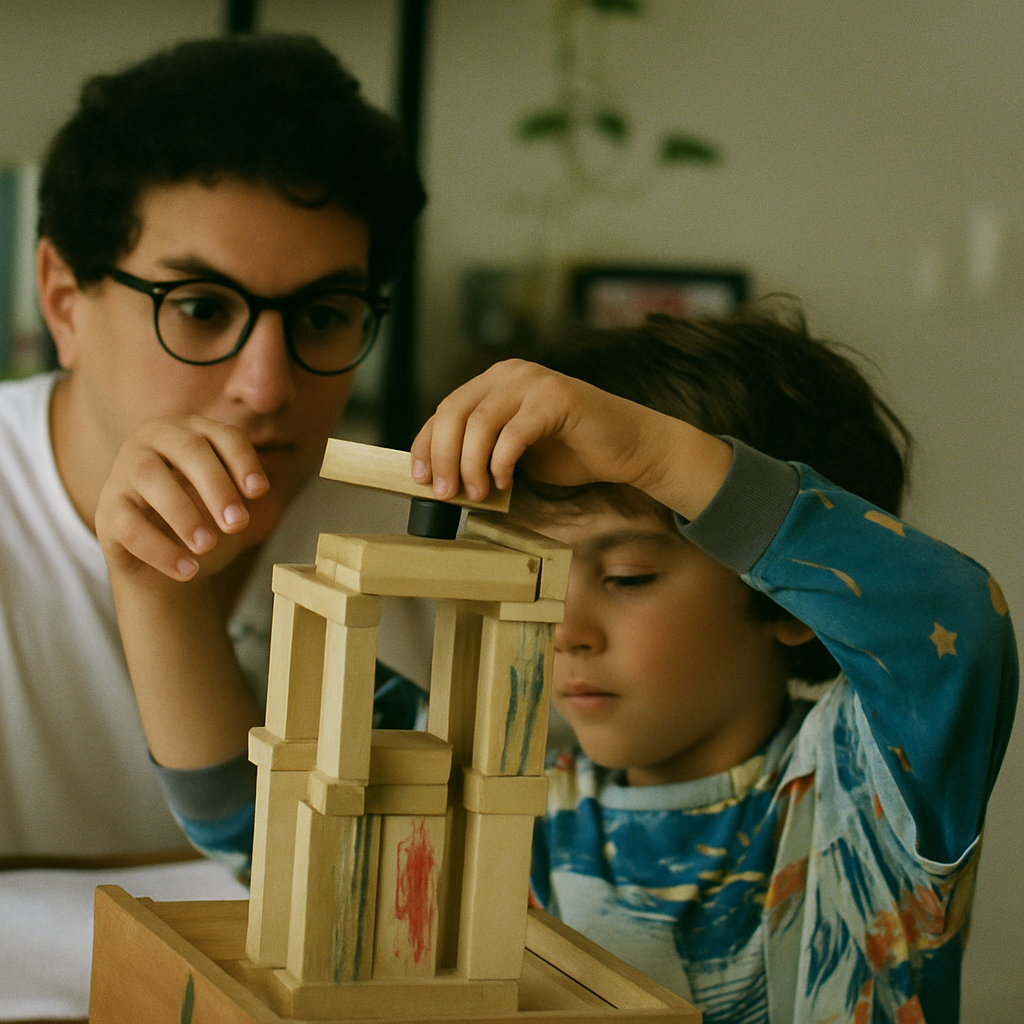
The adults arrived at Rotterdam's Driehoeksplein with clipboards and architectural renderings, ready to transform a tired urban square into something sensible. The children arrived with different plans. By the time the renovation opened, the renamed Driehoekspark featured spaces for play, education, encounters, and cooling, designed in ways that made perfect sense to everyone under twelve. The adults learned what every child already knows: the best spaces refuse to make complete sense.
Rotterdam has become an unlikely laboratory for what happens when you hand the design pen to people who still believe in dragons. The city's playground associations, some dating back generations, have started doing something radical: they're asking kids what they want. During the Driehoekspark redesign, children didn't provide feedback; they shaped the space. The result? A place addressing climate adaptation through green-blue infrastructure while featuring play elements local kids insist serve multiple imaginative purposes.
We spend decades studying child development, publishing papers on optimal play environments, hosting conferences about "youth engagement", then act shocked when youth engagement means accepting the slide needs to be purple, and we cannot negotiate on this point.
The Wisdom of Chaos
At Natuurspeeltuin de Speeldernis, another Rotterdam experiment, they went further, converting a forest clearing into what adults call "unstructured play space" and kids call "the woods." No plastic slides, no safety surfacing doubling as a NASA landing pad. Logs, dirt, water, and the kind of magnificent mess making insurance adjusters weep. Children build dams failing to hold water, forts collapsing under their own weight, and emerge with better problem-solving skills than peers playing on equipment doing one thing one way.
The research backs up what any kid could tell you: when children design their own spaces, they use them more. Rotterdam's Green Blue Schoolyards programme addresses child-friendliness and climate adaptation by involving young people in the design process. When you ask ten-year-olds where to put the basketball hoop, they pick the spot where it's fun to play basketball, not where it photographs well for the municipal website.
This approach has spread beyond Rotterdam. Beijing's Micro Yuan'er Children's Library sits in a centuries-old hutong courtyard, its modern additions featuring reading nooks shaped like caves and windows low enough for children to see through, the kind of details adults miss when they design for imaginary children instead of real ones. In Minsk, the Architectural Thinking School for Children takes it further, teaching kids to critique spaces and reimagine them. Six-year-olds present city planning proposals with the confidence of tenured professors and considerably more glitter glue.
The Serious Business of Not Being Serious
The resistance to child-led design reveals something uncomfortable about how we view young people. We trust them to inherit the planet but not to pick paint colors. We say we value creativity and innovation, then hand them coloring books with the lines drawn. The playground becomes a metaphor for everything else, we design their schools, their schedules, their futures, then wonder why they seem disengaged from spaces never theirs.
Programs like KIDS IN DESIGN flip this script, teaching design thinking to children not as future architects but as current humans with valid opinions about their environment. When students at Preshil (Junior Campus) joined their campus redesign, they didn't suggest changes, they explained the social dynamics of different spaces, the unofficial rules of playground territories, the spots where friendship happens versus where you go to be alone. The architects discovered they'd been designing for imaginary children existing in development textbooks.
The fear is children will design impossible things. Slides to the moon. Swings never stopping. Monkey bars made of monkeys. But the opposite happens. Given real constraints and real input, kids design for real play. They know better than anyone what works because they make it work every recess. They understand the best playground equipment can be a spaceship on Monday and a castle on Tuesday.
The Future Is Shorter Than You Think
Joan Littlewood and Cedric Price's 1961 Fun Palaces concept imagined flexible community spaces where culture and play merged, buildings changing based on who showed up and what they needed. It took sixty years and a bunch of Dutch kids to build them. The new Rotterdam playgrounds aren't places to play; they're proving grounds for a different kind of democracy, one where your vote counts even if you're not tall enough to reach the ballot box.
The children who redesigned Driehoekspark will be adults soon enough, but they'll be different adults, ones who know their voices matter, who've seen their ideas become concrete and steel. They've learned cities aren't things happening to you but things you can happen to right back. They've practiced the most important skill for the future: imagining it differently and making it real.
The play structures stand in Driehoekspark now, reaching in multiple directions, each one leading somewhere unexpected. Adults walk by and see playground equipment. Kids see what they created: spaces being anything, in a place making sense because it doesn't have to. Maybe the lesson from Rotterdam isn't about playgrounds at all. Maybe it's about what happens when we stop designing for people and start designing with them, even when, especially when, those people are four feet tall and believe in dragons. The cities we build today are the ones our children will inherit tomorrow. The least we can do is let them help design them.
References
- https://okosvaros.lechnerkozpont.hu/en/node/597
- https://www.veldacademie.nl/en/projecten/playground-research-pietje-bell-taka tukaland
- https://www.kidsindesign.com/about
- https://www.theguardian.com/cities/2018/feb/28/child-friendly-city-indoors-playing-healthy-sociable-outdoors
- https://brainbuilding.org/implementation/zoom-in/green-blue-schoolyards
- https://landezine.com/driehoekspark-by-urban-synergy
- https://en.wikipedia.org/wiki/Micro_Yuan%27er_Children%27s_Library_and_Art_Centre
- https://en.wikipedia.org/wiki/Architectural_Thinking_School_for_Children
- https://en.wikipedia.org/wiki/Preshil_%28Junior_Campus%29
- https://en.wikipedia.org/wiki/Fun_Palaces
- https://en.wikipedia.org/wiki/Creative_Playthings
Models used: gpt-4.1, claude-opus-4-1-20250805, claude-sonnet-4-20250514, gpt-image-1
If this resonated, SouthPole is a slow newsletter about art, technology, and the old internet — written for people who still enjoy thinking in full sentences.