Respect the Process, Trust Your Progress
Jamir Jumoke has spent years working where hope meets survival. In this conversation, he reflects on patchwork, humility, trauma, community, and why “respect the process and trust your progress” became a philosophy for rebuilding a life.
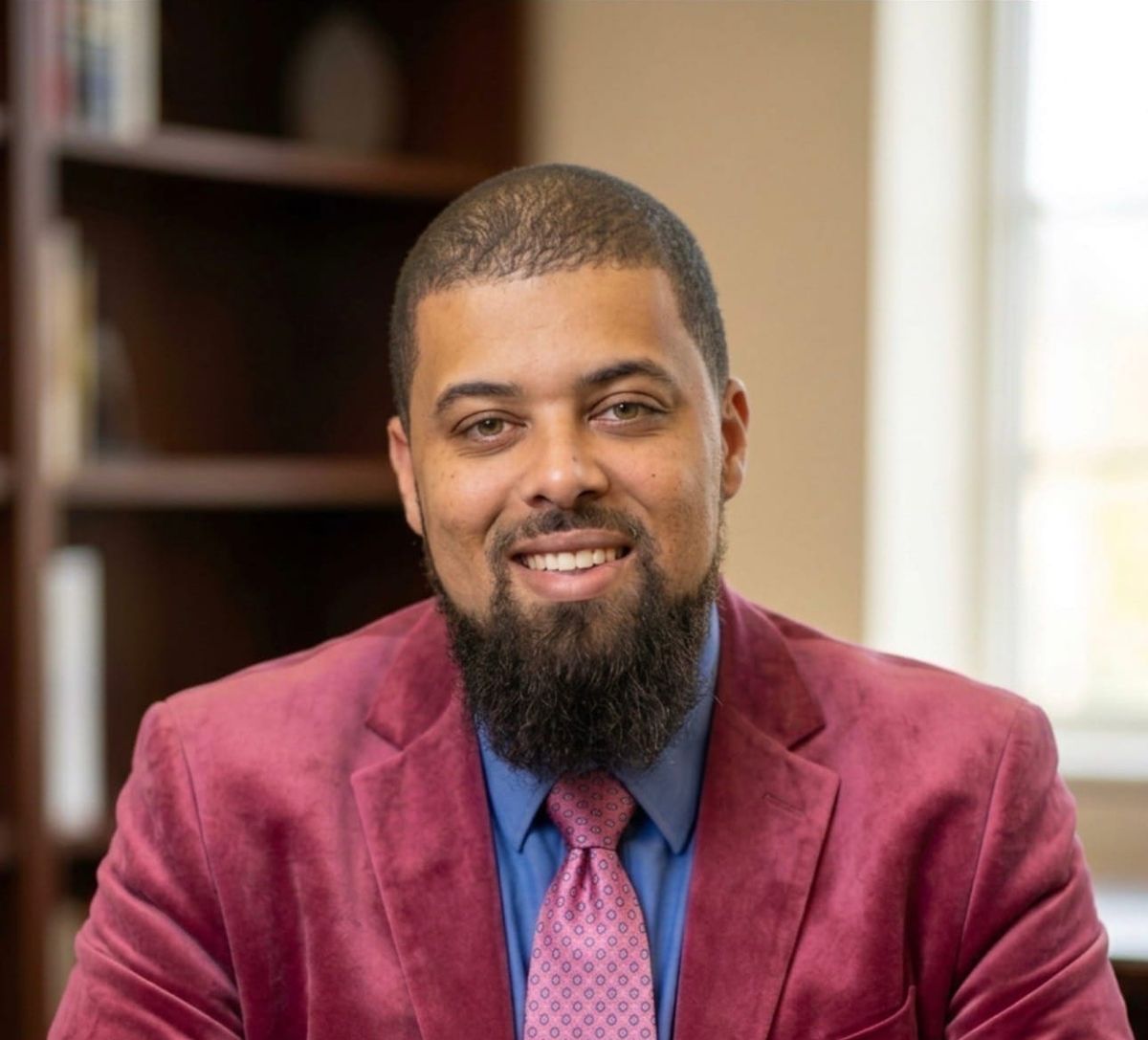
A conversation with Jamir Jumoke on change, community, grace, and the work of becoming.
Jamir Jumoke is a speaker, recovery coach, and community leader whose work spans reentry, harm reduction, workforce development, education, and youth mentoring in North Carolina. He draws on lived experience and years of service, working with individuals, organizations, and communities navigating hardship, addiction, and incarceration.
What interested me was the perspective this work produces. Standing alongside people rebuilding their lives has given Jamir an unusual vantage point on how individuals, families, and communities shape one another, and on what makes change endure. He calls it patchwork: choosing the right thread for the right need.
This conversation took place by email over several weeks. Responses are published as written, with only minor corrections for formatting.
You’ve held many different roles over the years. What do you feel is the thread that connects them?
I believe the thread that weaves all of my work together is a deep desire to repay my debt to society and make a meaningful difference—not only in my community, but in the lives of people who need support most.
The range of my lived and professional experience is something I believe has been orchestrated by my Higher Power. It has positioned me in the gaps between hope and survival, giving me an empathetic insight that helps me meet people where they are. I strive to show up with fidelity, structure, compassion, and without judgment, while offering a practical approach that resonates with people navigating their own intersections of hardship and healing.
In many ways, I see every position I have held as part of my God-given assignment: to be the change I seek. Whether I am working in reentry, recovery, harm reduction, workforce development, education, youth mentoring and prevention, disaster relief or mental health, I can recognize common threads across those circumstances. I have had to navigate many of those same situations in my own life.
Working in people-centered services is much like patchwork. Each person’s story is a patch made up of individual experiences, challenges, strengths, and small victories. Together, those patches form a larger picture of life lessons, resilience, and possibility.
At the same time, I remind myself that each person’s process is different. Many people arrive with lives that have been worn, stretched, and torn by difficult circumstances. The support they need must be grounded in functionality, dignity, and real-life solutions—not perfection. While we may share similarities, I cannot project my own process onto someone else’s journey. Instead, I must choose the right thread for the right need—whether that thread is a word of encouragement, a meaningful gesture, a resource connection, or consistent action.
My role is to help sew the seams of a person’s specific situation with care and intention. It is patchwork: patient, detailed, and sometimes difficult. There are moments when I become tired or experience fatigue, but I keep a steady hand by returning to the larger purpose. I know this work is part of my assignment, and I remember that I benefited from people who refused to give up on me while I was still trying to find my way.
That is why I continue to do the work: to offer others the same patience, support, and possibility that helped me rebuild and restructure my own life.
When you walk into a room to speak, what are you paying attention to that most of the audience doesn’t realize you’re noticing?
I have had the distinct honor of speaking to a wide range of audiences—from prisons, group homes, juvenile detention centers, and treatment facilities to Rotary Clubs, town halls, nonprofit fundraisers, colleges, community meetings, public schools, conferences, and even legislative sessions on Capitol Hill in Washington, D.C.
Most of the time, I do not spend weeks writing or rehearsing a speech. I may write a few notes or key points in my phone the night before, the day of, or sometimes just before I step in front of the audience. I have never been someone who relies on a fully scripted speech because I want my words to remain genuine, present, and authentic. I believe authenticity leaves a deeper impact than simply making an impression.
Before I speak, the first thing I do is pray. I ask God to use me as a vessel and allow His message to reach the hearts and minds of those in the room.
When I enter a space or stand before a crowd, I listen closely. I pay attention to side conversations, the energy in the room, body language, facial expressions, posture, clothing, eye contact, and the overall atmosphere. I also take note of who is present—service providers, elected officials, decision-makers, community members, and those I most hope to inform, encourage, and inspire.
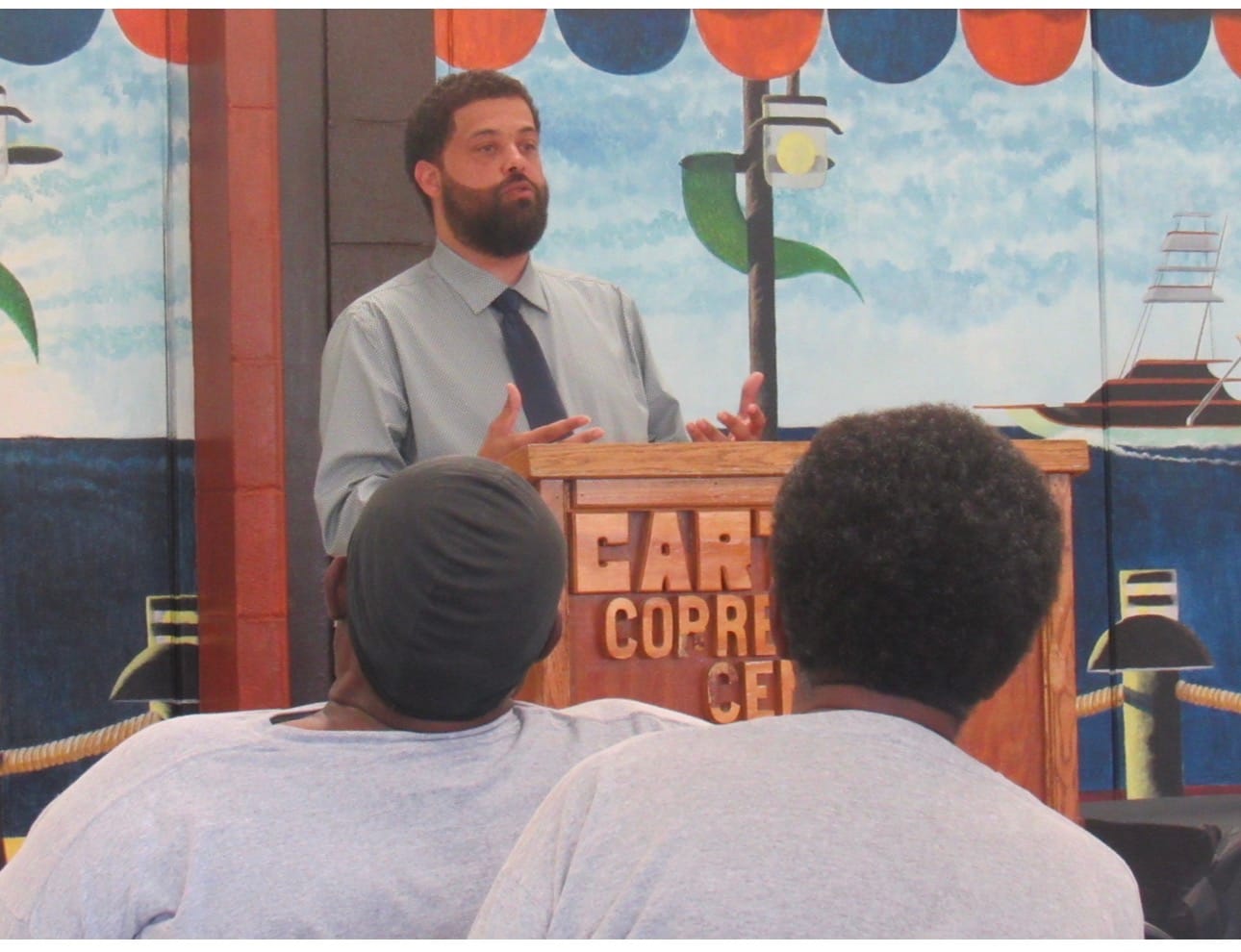
This helps me recognize both the similarities and differences among the people in attendance. It allows me to identify the moments when I need to pivot or tailor the message so it can reach people in the way they are most prepared to receive it. My goal is not simply for people to hear what I am saying, but to feel the sincerity, authenticity, and weight behind the message.
When I see tears, blank stares, head nods, smiles, focused attention, or even signs of opposition and resistance, I know the message has reached the room. My purpose is not necessarily to make everyone agree; it is to leave people with a deeper perspective and renewed motivation to reflect on the subject at hand.
If my words encourage someone to take intentional action, listen more closely to another person’s story, or develop a deeper understanding of an issue, then I have accomplished what I came to do.
What have you learned about how people, families, and communities change, and how those changes influence one another?
I have come to understand that people, families, and communities are deeply interconnected. An individual’s character, morals, core values, beliefs, ethics, ideologies, and identity are shaped by the cultures and communities they are closest to. Those influences are also affected by how people understand their own position, potential, and possibilities within the world around them.
Our experiences are shaped by external realities such as wealth or poverty, race, privilege or disenfranchisement, equality or marginalization, and political or social beliefs. These conditions influence the environments we live in, the opportunities we can access, and the ways we learn to see ourselves and others. In turn, people bring those experiences into their families, relationships, workplaces, and communities.
Families often mirror this reality. None of us chooses the family, race, neighborhood, or circumstances we are born into. Those starting points can shape us profoundly, but they do not have to define the rest of our lives. We still have autonomy: the ability to examine and alter our values, character, beliefs, leadership styles, and choices. We can broaden our perspective through honest self-reflection, communication, and meaningful relationships with people whose experiences differ from our own.
Communities also change through the tools and avenues of socialization available to them: family, schools, faith communities, peers, media, policy, work, and shared experiences. Communities can become more connected when people learn from one another, but they can also become divided when differences are misunderstood or treated as threats. Our similarities and differences form a larger puzzle, and missing pieces often represent perspectives and lived experiences that have not been heard, valued, or included.
I have learned that lasting growth happens gradually and becomes more possible when we celebrate what we share, embrace where we differ, and remain open to learning. Humility is often the hardest part. It is easy to hold a mirror up to what we do not understand in others while avoiding the mirror that reveals the limits, biases, or fears within our own belief systems. Real change begins when we are willing to ask whether what we believe is fully true—or whether it is something we have inherited, assumed, or been conditioned to accept.
Ultimately, people influence families, families influence communities, and communities shape the people within them. Change may be temporary, but evolving is ongoing.
Anything that is not growing, learning, adapting, or becoming more honest is already beginning to lose life.
Which assumptions about people have you had to unlearn?
One of the hardest assumptions I have had to unlearn is the belief that everyone and everything that appears to be against you is exactly what it seems. Trauma can make certain conclusions feel absolute, especially when those conclusions were formed as a child trying to make sense of cruelty.
When I was five years old, I was tied to a fence by white children, called racial slurs, and terrorized with threats because of the color of my skin. That experience convinced me that almost all white people hated me and wanted to harm, sabotage, or end my life. At that age, it was not simply an opinion; it became a survival-based belief shaped by fear, pain, and humiliation.
Later in life, I encountered white people whose character, genuine kindness, and friendship challenged that belief. Their actions did not erase what happened to me, but they helped me recognize that one traumatic experience—no matter how profound—does not give a complete picture of every person in a racial group. I learned that there are good and harmful people across every color, class, creed, and background. I also learned that some people who have caused harm still possess the capacity to grow, change, and become better.
This was not only something I had to unlearn about white people. I also had to examine assumptions I carried about police officers, judges, lawyers, politicians, institutions, community organizations, and systems. Some of those assumptions came from real experiences of injustice or disappointment.
But I learned that while trauma and experience shape our outlook, a feeling is not automatically a fact.
Unlearning these assumptions did not mean ignoring racism, injustice, or the harm that people and systems can cause. It meant refusing to let painful experiences turn into permanent conclusions about every individual I encountered. It required me to remain discerning without becoming closed off, to protect myself without losing my humanity, and to make room for the possibility that people can be more complex than the worst thing I have experienced from someone who resembles them.
After everything you’ve experienced and observed, where do you find strength when life inevitably throws you a curveball?
I find strength in my faith and resilience. I believe God has His hand on my life and has given me a specific assignment to fulfill on this earth. The complexities, learning curves, and challenges that come with living out that assignment have all given me perspective, insight, and life lessons that prepare me to pay it forward.
I live by the belief that “to whom much is given, much is required.” So when life gets difficult, I take it on the chin and remind myself how far I have come. I often tell my mentees, clients, friends, and others: Respect the process and trust your progress.
Everything we want to accomplish is a process. When you trust your progress, you can draw momentum from the ground you have covered gradually over time. My life is proof of that. I went from growing up in a single-parent household in Section 8 housing, becoming a junior-high dropout and part of the school-to-prison pipeline, and living the life of a drug dealer and criminal, to becoming a college graduate, student and community leader, husband, father, helping professional, and social entrepreneur—assisting and supporting others in their reentry and addiction recovery journeys.
That is only a brief summary of the struggles I have faced along my journey of hope and healing. If I made it through all of that and still found success in spite of it, then I know I can handle whatever life brings. I have God’s grace and favor, and I strive to do the right things for the right reasons.
Several years ago, I also beat cancer. That experience confirmed for me that I am here for a purpose greater than my own understanding. When life throws me a curveball, I lean into my faith, remember my journey, and keep moving forward with gratitude, purpose, and resilience.
Finally, if someone read this conversation ten years from now, what idea or observation would you most hope stayed with them?
Never let someone else’s narrative define your outcome.
Never give up on your goals or your greatness, because success is not a single milestone—it is an ongoing journey.
Never judge a book by its cover. You have to read between the lines to truly understand someone’s story.
Never place politics over people. Put a price on peace of mind, and never put compensation over culture.
Lastly, I want people to understand that grace goes a long way. Change is possible, but evolution is ongoing. The work I do—serving and supporting others—comes from my heart and from the sincerity of my intentions. I am committed to redemption, purpose, and completing God’s mission for my life until He calls me home.
Where to Find Jamir
Website
jamir-speaks.com
Instagram
@jamirspeaks
Peer Support & Community Outreach Specialist
North Carolina Harm Reduction Coalition
Forthcoming
Remain Resilient: 7 Steps for Surviving Recidivism (spring 2027)