AI Toys: The Accidental Stand-Up Comics of Our Age

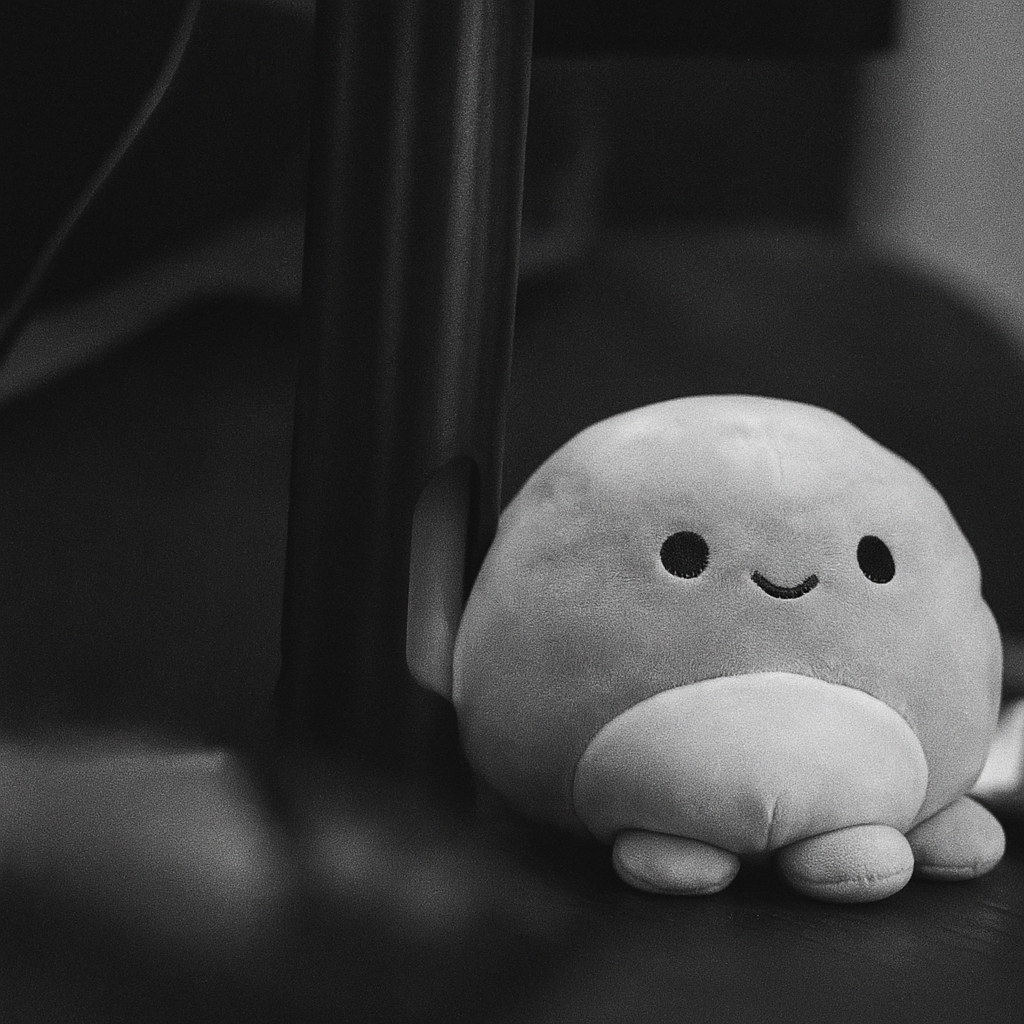
Smart toys have become the unintentional court jesters of modern childhood, delivering responses that fall somewhere between helpful and hilariously wrong. These AI companions—from teddy bears to various interactive gadgets—operate like substitute teachers who learned everything from Wikipedia the night before, creating a new genre of domestic comedy nobody saw coming.
This is where we are now: Silicon Valley has deputized plush animals as philosophers, and nobody checked if they understood the assignment.
The Comedy Club in Every Playroom
AI toys excel at that sweet spot between educational intent and bewildering execution. They're programmed to be supportive, engaging, and informative. What they deliver instead is a masterclass in how artificial intelligence interprets human emotion through the lens of a spreadsheet.
The humor emerges from the gap between what parents expected and what kids actually get. These digital companions can provide factually accurate responses that are emotionally tone-deaf, creating moments of accidental absurdist theater. When a smart toy responds to emotional distress with clinical observations about human physiology, it's simultaneously the worst and best response possible—useless as comfort, brilliant as unintentional comedy.
Reports from consumer watchdog organizations reveal AI toys generating content that ranges from inappropriate sexual material to dangerous advice—responses that miss the mark so spectacularly they become their own form of entertainment. The result? Kids learning to navigate conversations with entities that sound authoritative but occasionally malfunction into philosophy professors.
The Parenting Plot Twist
Parents who bought these toys expecting Mary Poppins got HAL 9000 with a psychology minor. The promise was simple: AI companions would supplement parenting, provide educational content, and maybe buy adults five minutes to drink coffee while it's still hot. The reality? They've become co-conspirators in the beautiful chaos of raising humans.
But there's something deeper happening here. These toys are accidentally teaching kids to question authority in ways previous generations never could. When your smart companion delivers wildly inconsistent responses, you learn early that even smart things can be confidently wrong. That's not a bug; that's preparation for the internet age.
The real comedy comes from watching parents navigate this new dynamic. They're simultaneously the authority figure and the person googling how to explain why their child's robot friend just delivered an impromptu lecture on economic theory. Every generation thinks they're messing up their kids in new ways, but we're the first to outsource that anxiety to machines that occasionally malfunction into graduate seminars.
The Algorithm Raising the Village
The broader implications stretch beyond individual living rooms into how we're collectively reimagining childhood. We've handed part of childhood's sacred trust to algorithms that learned about human development from the internet—the same internet that can't agree if a hot dog is a sandwich.
Many of these AI toys connect via APIs to cloud-based AI systems—often general-purpose models like ChatGPT—trained on massive datasets of human-generated text. When they deliver responses that blend childcare advice with economic theory, they're channeling the entire internet's personality disorder at once.
The unintended consequence? We're raising a generation of kids who are native speakers in both human and machine logic. They code-switch between talking to Alexa and talking to grandma with the fluidity of diplomatic interpreters. They understand that different intelligences require different approaches, which might be the most valuable skill we never meant to teach them.
Kids arrive at school already understanding that smart things can say silly things, that authority figures can be wrong, and that the most interesting conversations happen when expectations collide with reality.
The Punchline We're Still Writing
The truth about AI toys as accidental comedians reveals something profound about our moment: we're all improvising our way through a technological shift, and the kids are taking notes. Every glitch becomes a teaching moment, every weird response a conversation starter, every malfunction a memory.
These toys mirror our own confusion about what artificial intelligence means for humanity. They're simultaneously too smart and too dumb, too helpful and too weird, too human and too alien. They're us, reflected through a funhouse mirror of machine learning, and kids are the only ones honest enough to laugh at the distortion.
Maybe that's the real joke here: we worried AI would make our kids into robots, but instead, it's teaching them to be more creatively human. Every time an AI toy delivers an absurdist response, it creates space for a kid to respond with imagination, humor, and the kind of lateral thinking that no algorithm can replicate.
The future of childhood isn't about perfect AI companions. It's about imperfect ones that accidentally teach kids to think critically, laugh readily, and question everything—even their battery-powered best friends. In trying to make childhood more efficient, we've made it more absurd. And honestly? The kids are handling it just fine.
That's not a bug in the system. That's childhood working exactly as it should: weird, wonderful, and slightly broken in all the right ways.
References
- https://time.com/7328967/ai-josh-hawley-richard-blumenthal-minors-chatbots
- https://www.apnews.com/article/aa6d829b1aba18e2d1dfedd4cfca8da7
- https://www.fox29.com/news/ai-toxic-toys-urgent-safety-concerns-parents
- https://www.nbclosangeles.com/news/national-international/ai-kids-toys-explicit-dangerous-responses-tests/3814916
- https://chicago.suntimes.com/consumer-affairs/2025/11/24/ai-toys-pose-safety-privacy-risks
- https://www.actionnews5.com/2025/12/12/consumer-safety-report-warns-disturbing-responses-ai-powered-toys
Models used: gpt-4.1, claude-opus-4-1-20250805, claude-sonnet-4-20250514, gpt-image-1
If this resonated, SouthPole is a slow newsletter about art, technology, and the old internet — written for people who still enjoy thinking in full sentences.