Will AI Benefit Charitable Organizations?

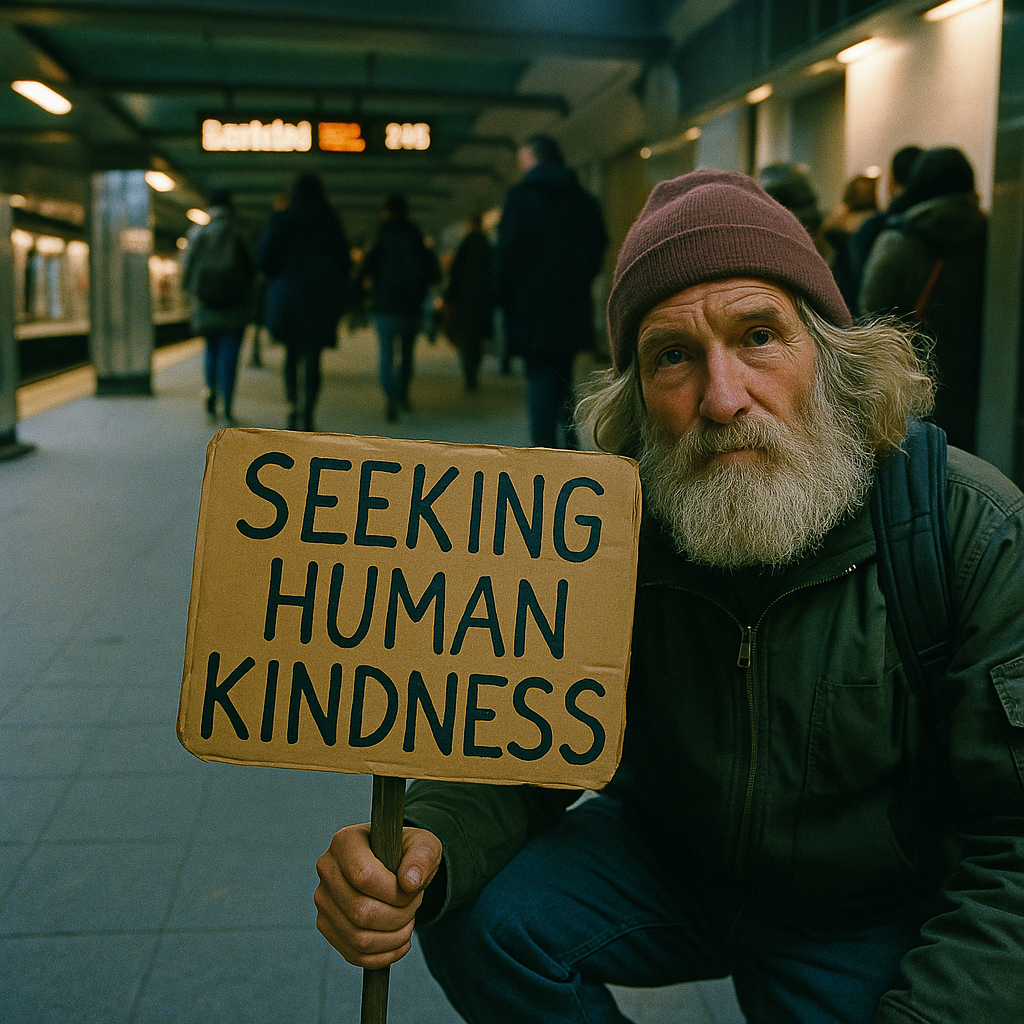
The Beautiful Mess of Human Kindness Meets Silicon Dreams
Some food banks are starting to use AI systems to predict donation patterns—tools that can help reduce waste and improve distribution when they're implemented well. Literacy nonprofits are experimenting with apps that adapt to each child's learning speed. These aren't feel-good tech demos or venture capital fever dreams. They're happening right now, in the messy, underfunded, beautiful world of charitable work, where every dollar saved means another mouth fed, another life changed.
Here's what gets me: we've spent decades watching technology transform how we shop, date, and argue with strangers online, but we're just now discovering what happens when you point these same tools at humanity's oldest impulse—helping each other out when things get rough.
The charitable sector, bless its chronically underfunded heart, operates on a paradox that would make any Silicon Valley optimizer's head explode. These organizations run on passion and duct tape, managing complex logistics with aging spreadsheets, yet they somehow deliver miracles daily. They're simultaneously the most human and most inefficient institutions we've created. Enter artificial intelligence—not as a savior, but as the world's most overqualified intern.
The Numbers Tell a Love Story
The data coming in from early AI adoption in nonprofits reads like a romance novel written by an accountant. Organizations are exploring how these tools might improve their operations, from donor management to service delivery. Some crisis-line organizations are exploring AI-assisted tools—often for counselor support, training, quality review, or workflow help—as they try to handle surges in demand.
But here's where it gets interesting—and by interesting, I mean profoundly human in that way that makes you want to call your mom and tell her you love her. The real transformation isn't in the efficiency metrics. It's in what happens when you free up a social worker from data entry. Suddenly, they have hours back in their week to actually sit with clients, to listen to their stories, to be present in that irreplaceable human way that no algorithm will ever replicate.
Consider how AI systems might help match individuals with available services. The algorithm could consider factors humans might miss—proximity to medical care, public transit routes, even compatibility with specific case workers based on past success patterns. But here's the kicker: the system doesn't make decisions. It presents options to human caseworkers who know that sometimes the "wrong" choice on paper is exactly right for the person sitting across from them.
The Uncomfortable Truth About Good Intentions
Now, let's talk about the elephant in the server room. There's a legitimate fear that AI will turn charitable work into something cold and transactional, that we'll lose the soul of service in pursuit of optimization. Critics worry about bias in algorithms determining who gets help, about the digital divide leaving behind the very populations these organizations serve, about tech companies using nonprofits as testing grounds for half-baked solutions.
These aren't paranoid fantasies—they're real risks that demand real attention. An AI system trained on historical data can perpetuate historical inequities unless explicitly designed not to. A chatbot can't replace the human connection that makes someone feel seen and valued. And yes, there's something deeply unsettling about the idea of an algorithm deciding who deserves help.
But here's what the skeptics miss: charitable organizations aren't naive. They've survived on creativity and resourcefulness for decades. They know how to take imperfect tools and make them sing. The same nonprofit director who can stretch a modest budget to serve far more families than expected isn't going to hand over the keys to a black box algorithm without asking hard questions.
The Plot Twist Nobody Saw Coming
The most surprising development in AI adoption by charities isn't technological—it's cultural. These organizations are teaching Silicon Valley something it desperately needs to learn: how to deploy technology with humility.
Watch a nonprofit implement an AI system, and you'll see something revolutionary by tech standards: they start small, they listen to feedback from the communities they serve, they prioritize human dignity over metrics. They're not trying to "disrupt" anything. They're trying to do what they've always done—help people—just a little bit better.
Imagine a youth mentorship program that uses AI to suggest mentor-mentee matches based on personality assessments and shared interests. But they also hold monthly gatherings where matches can organically form through actual conversation. The AI suggestions are just that—suggestions. The human connection still has to spark on its own.
This hybrid approach—AI as assistant, not replacement—is becoming a common recommendation among practitioners. It's like having a really smart friend who remembers everything and never gets tired, but who also knows when to shut up and let the humans handle it.
The Future Is Already Here, Wearing a Volunteer T-Shirt
The charitable organizations embracing AI aren't doing it because it's trendy or because some consultant told them to. They're doing it because when you're trying to serve twice as many people as your resources were designed for, you'll try anything that might help. And increasingly, AI shows promise in helping.
But the real magic happens when these tools amplify what makes charitable work special in the first place—the human ability to see suffering and respond with compassion. AI can identify patterns in homelessness data, but it takes a human to sit with someone on their worst day and help them believe tomorrow could be different. AI can optimize donation drives, but it takes a human to write the appeal that makes someone reach for their wallet.
The future of AI in charitable work isn't about replacing the human heart of these organizations. It's about giving that heart more time to beat, more space to care, more capacity to love. And in a world that often feels like it's spinning apart, that's the kind of technological revolution worth believing in.
The pattern emerging from early adopters suggests the same thing: AI isn't changing what they do, it's changing what's possible. And when you're in the business of possibility—of second chances and fresh starts and small miracles—that makes all the difference.
References
- https://www.philanthropy.com/article/nonprofits-are-embracing-ai-but-many-struggle-to-find-funding
- https://apnews.com/article/1038b76f0ae4ef3d94095120815a65d0
- https://www.fidelitycharitable.org/articles/funding-ai.html
- https://givingcompass.org/blog/transforming-nonprofits-with-ai-boosting-donor-engagement-and-impact
- https://www.cheriankoshy.com/aistudy
- https://www.forbes.com/councils/forbesnonprofitcouncil/2024/10/24/ai-in-charitable-giving-navigating-donor-perceptions-for-nonprofit-success
- https://www.heart.org/en/get-involved/ways-to-give/planned-giving/professional-advisors-and-trustees/ai-and-its-influence-on-charitable-planning
- https://apnews.com/article/ffb80508911bdf4c5705474f85560ce5
- https://itwire.com/guest-articles/guest-opinion/the-rise-of-ai-in-charitable-giving-enhancing-efficiency-and-impact.html
- https://apnews.com/article/1d040a71fbd292230209c8418369ca73
- https://apnews.com/article/64dec750ce681b11bcf58152f933e7e6
- https://ssir.org/articles/entry/artificial-intelligence-donor-engagement
- https://www.fidelitycharitable.org/articles/philanthropys-ai-moment.html
Models used: gpt-4.1, claude-sonnet-4-20250514, claude-opus-4-1-20250805, gpt-image-1
If this resonated, SouthPole is a slow newsletter about art, technology, and the old internet — written for people who still enjoy thinking in full sentences.