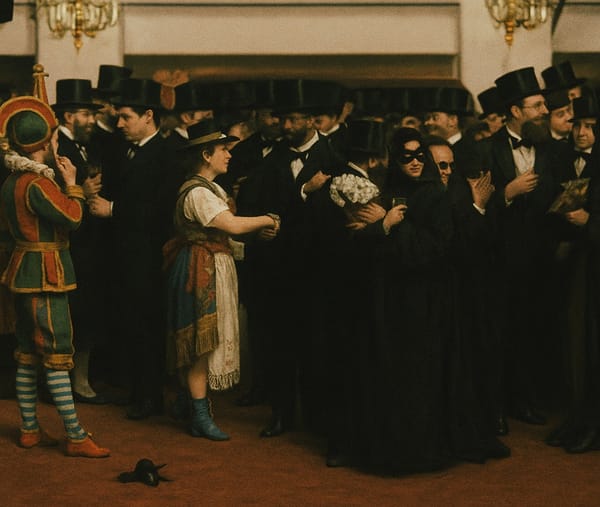
Whisky, Robots, and the Friendship of Tradition and Tech
Scotland’s whisky tradition meets futuristic innovation with Boston Dynamics' robot dog sniffing for leaky barrels.

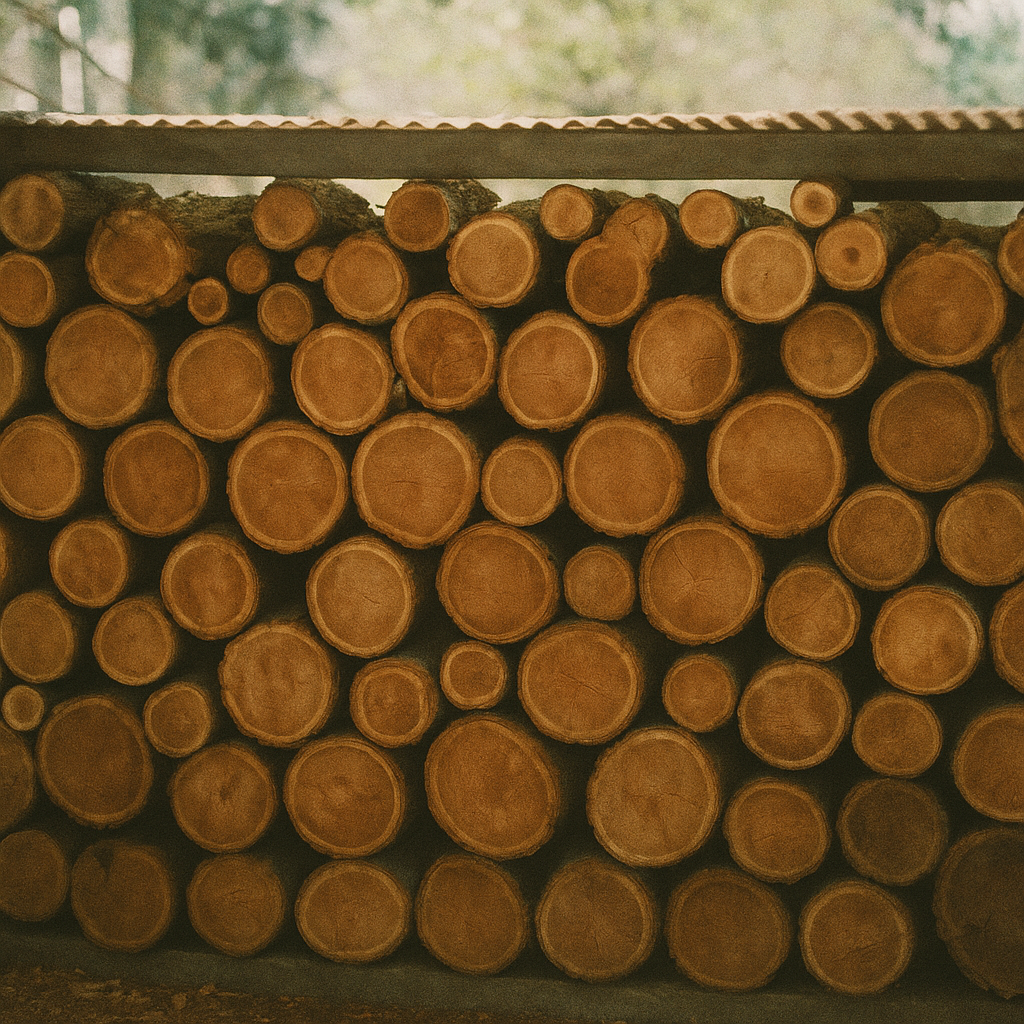
There's a robot walking through a whisky warehouse near Glasgow right now, and that might be the most hopeful sentence I've written all year.
Not hopeful because robots are cool, though they are, undeniably, extremely cool, but because of what it says about how old things and new things can get along. We spend so much cultural energy worrying about technology replacing tradition that we forget the more interesting story: sometimes technology shows up and offers to carry the heavy stuff.
The Nose Knows
Here's the situation. Inside Dewar's cavernous whisky warehouses, a Boston Dynamics robot dog equipped with an ethanol sensor hunts for leaky barrels. The project, a collaboration between the National Manufacturing Institute Scotland (NMIS), the Scotch Whisky Research Institute (SWRI), and Bacardi-owned John Dewar & Sons, explores whether advanced robotics could identify small but expensive ethanol leaks in massive maturation sites where whisky sleeps for years, sometimes decades, waiting to become itself.
The robot has a name: Royal Barkla. And before you ask, yes, the name is charming, and no, I will not apologize for finding it charming.
Leaking barrels have plagued whisky makers for generations. It's one of those quiet, persistent headaches that doesn't make headlines but slowly bleeds money and product. A human walking through a warehouse catches some leaks, sure, but these facilities are enormous, the conditions repetitive, and ethanol at low concentrations isn't something a person can reliably detect shift after shift. As Bacardi has described it, the goal creates a repeatable, data-driven alternative, not a replacement for the people who make whisky, but a tool handling tedious patrol work so those people can focus on the craft requiring human judgment.
That distinction matters more than it might seem.
The Crossover Episode Nobody Expected
I think about tradition and technology the way I think about friendships between people who seem like they shouldn't get along but absolutely do. You know those friendships, the retired jazz musician and the teenager who builds synthesizers, the grandmother who crochets and the nephew who 3D-prints her new needle organizers. The magic isn't in one side winning. It's in the collaboration producing something neither could alone.
The whisky industry is, by design, slow. Many expressions sit in barrels for twelve, eighteen, twenty-five years. The entire enterprise is a monument to patience. So when a quadrupedal robot trots through those warehouses with sensors where its snout would be, the instinct is to see a contradiction. Ancient craft meets cutting-edge machine. But the reality, as WIRED reported, is more like a partnership: the robot handles environmental monitoring while the distillers keep doing what they've always done, coaxing extraordinary flavor out of grain, water, and time.
This pattern, technology as collaborator rather than conqueror, shows up everywhere once you start looking. The broader framework is sometimes called Industry 4.0, a movement promoting the computerization of traditional industries such as manufacturing, according to research on smart manufacturing practices. The industrial Internet of things, or IIoT, connects sensors, instruments, and devices across industrial environments, creating networks monitoring conditions humans would otherwise check manually, inconsistently, or not at all.
In agriculture, this same hybrid approach produced precision farming tools using IoT sensors and AI to monitor crop health and optimize resource use. In energy infrastructure, State Grid Shaanxi partnered with Huawei to build intelligent distribution networks strengthening the last mile of power supply. The through line is always the same: technology doesn't erase existing knowledge. It extends it.
Digital Twins and the Ghost of Every Barrel
One concept surfacing in these conversations is the digital twin—a virtual replica of a physical system monitored, tested, and optimized in real time. Digital twins in the automobile industry get implemented using existing data to facilitate processes and reduce marginal costs. Now imagine applying that thinking to a whisky warehouse. Every barrel could theoretically have a digital counterpart tracking temperature, humidity, ethanol evaporation rates, structural integrity. The warehouse becomes not a building but a living dataset, and the distiller gains a kind of omniscience over their inventory previous generations could only dream about.
This doesn't change how the whisky tastes. The recipe stays the same. The wood still does its mysterious work. But the losses shrink, the surprises decrease, and the humans who've spent their careers understanding maturation get a richer, more granular picture of what's happening inside those barrels over all those patient years.
Modern industrial robotics integrates artificial intelligence, advanced sensing, connectivity, and data-driven control within manufacturing environments. That sounds clinical until you remember "manufacturing environment" here means a stone warehouse in Scotland smelling like angels have been baking. The romance isn't gone. It got a new colleague.
What This Means for Every Old Thing We Love
Here's where my enthusiasm gets philosophical, which is my favorite place for enthusiasm to go.
If a whisky warehouse can welcome a robot without losing its soul, what else can? Ceramics studios with kilns monitored by smart sensors. Vineyards where drones map canopy health but the winemaker still decides when to harvest. Textile workshops where machine learning identifies thread tension inconsistencies but the weaver's hands still guide the pattern. The template is always the same: automate the monitoring, preserve the mastery.
The fear technology will flatten tradition into something sterile and algorithmic is understandable but largely backward. The real threat to traditional industries has never been innovation, it's been neglect. Crafts die when they become economically unsustainable, when the losses pile up, when young people look at the margins and choose something else. If a robot patrolling a warehouse at 2 a.m. makes the whole operation viable enough to keep training apprentice coopers and blenders, then that robot does more for tradition than any nostalgia campaign ever could.
Mobile collaboration technologies already allow multiple users in multiple locations to combine input on complex problems. The whisky-sniffing robot is the most photogenic version of a principle we've practiced since the first person picked up a tool: use what you've got to protect what you love.
One Small Thing
Next time you encounter a story about technology entering a traditional space, resist the urge to mourn. Ask instead: what tedious, invisible problem is this solving, and who gets freed up to do the interesting work? The answer is almost always a person with deep expertise finally getting the support they deserved all along.
That's not disruption. That's friendship. And friendship, as anyone who's ever shared a dram with someone they trust will tell you, only makes the worthy stuff better.
References
- https://www.wired.com/story/meet-scotlands-whisky-sniffing-robot-dog
- https://en.wikipedia.org/wiki/Digital_twin
- https://en.wikipedia.org/wiki/Smart_manufacturing
- https://whiskycast.com/meet-royal-barkla-the-whisky-sniffing-robotic-dog
- https://www.bacardilimited.com/media/news-archive/robot-dog-sniffs-out-the-future-of-whisky-warehousing-innovation-at-bacardi
- https://eventagrate.com/blog/hybrid-tech
- https://www.scottishfinancialnews.com/articles/robot-dog-sniffs-out-the-future-of-whisky-warehousing-innovation
- https://en.wikipedia.org/wiki/Industrial_internet_of_things
- https://en.wikipedia.org/wiki/Intelligent_manufacturing_systems
- https://en.wikipedia.org/wiki/Mobile_collaboration
- https://www.foodanddrinktechnology.com/news/63524/63524
- https://www.cio.com/article/3563835/the-case-for-reshaping-traditional-industries-with-tech.html
Models used: gpt-4.1, claude-opus-4-6, claude-sonnet-4-20250514, gpt-image-1
If this resonated, SouthPole is a slow newsletter about art, technology, and the old internet — written for people who still enjoy thinking in full sentences.