The Stage Where Dragons and Humanity Meet
As Game of Thrones heads to the theater, it marks a thrilling convergence of fantasy and reality.

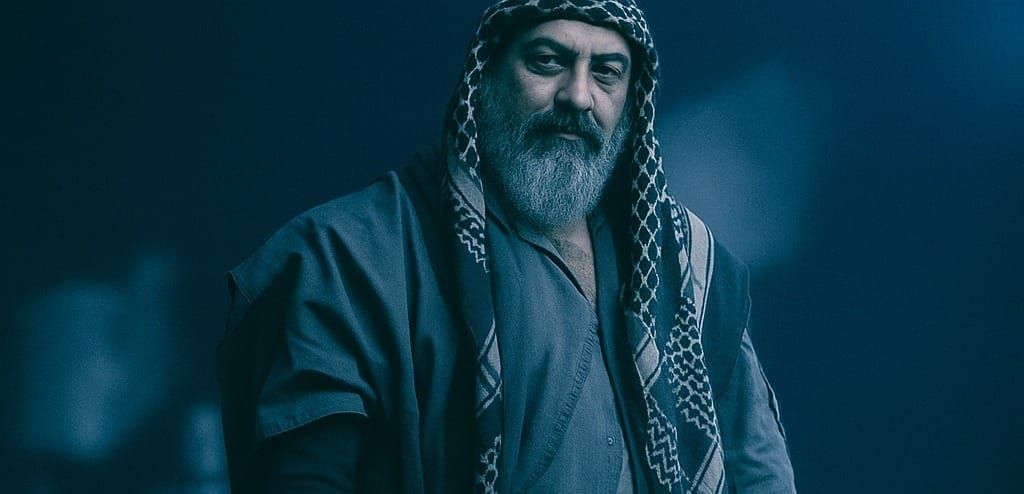
The Royal Shakespeare Company announced they're bringing Game of Thrones to the stage, and this makes sense in a way that surprised even me. Not because fantasy belongs in theater, Shakespeare wrote about fairies and witches all the time, but because George R.R. Martin's world has always been about human hearts more than dragon fire. The RSC will premiere "Game of Thrones: The Mad King" in Summer 2026, focusing on King Aerys II Targaryen, and suddenly we're getting what the TV show sometimes forgot: these stories work best when they're about people trapped in rooms together, making terrible decisions.
Theater strips away everything that made Game of Thrones a cultural phenomenon, the CGI dragons, the sweeping battle scenes, the ability to hop between seventeen different locations in a single episode, and asks a simple question. What if we put these characters in a room and let them talk? The RSC production is set at Harrenhal, described in their materials as taking place when "a long winter thaws in Harrenhal, and spring is promised." There's a banquet on the eve of a jousting tournament, lovers meeting, revelers speculating. It's a party where everything goes wrong, which is theater's favorite setup since the Greeks invented drama.
The comparison to Shakespeare isn't mine, it comes straight from adapter Duncan Macmillan and director Dominic Cooke, who note in their statement that George's storytelling is "Shakespearean in its scale and its themes: dynastic struggle, ambition, rebellion, madness, prophecy, ill-fated love." But this adaptation's genuine cleverness is in how it solves the fundamental problem of bringing Westeros to the stage. You can't show the Wall. You can't stage the Battle of the Blackwater. But you can absolutely show a king losing his mind while his court watches, frozen between loyalty and self-preservation.
Martin expressed full enthusiasm for the adaptation, stating that his work being adapted for the stage was "something I did not expect but welcome with great enthusiasm and excitement." He expressed full support for the RSC, calling them "the obvious choice when thinking about putting a Game of Thrones story on the stage." That's not flattery, it's recognition that his medieval fantasy world has always been in conversation with actual medieval drama, the kind the RSC has been performing for decades.
The theatrical version might get closer to what made the books compelling in the first place. The best moments in Martin's novels aren't the battles, they're the small council meetings, the throne room confrontations, the wedding feasts that turn into massacres. These are inherently theatrical scenes, built around dialogue and dramatic irony, where what characters don't say matters as much as what they do.
The production will feature characters from the houses of Targaryen, Stark, Lannister, Baratheon, and Martell. That's the entire power structure of Westeros crammed into one theatrical space. The production synopsis describes how "family bonds, ancient prophecies, and the sacred line of succession will be tested in a dangerous campaign for power." In other words: a family reunion where everyone's plotting murder, which is both peak Game of Thrones and peak theater.
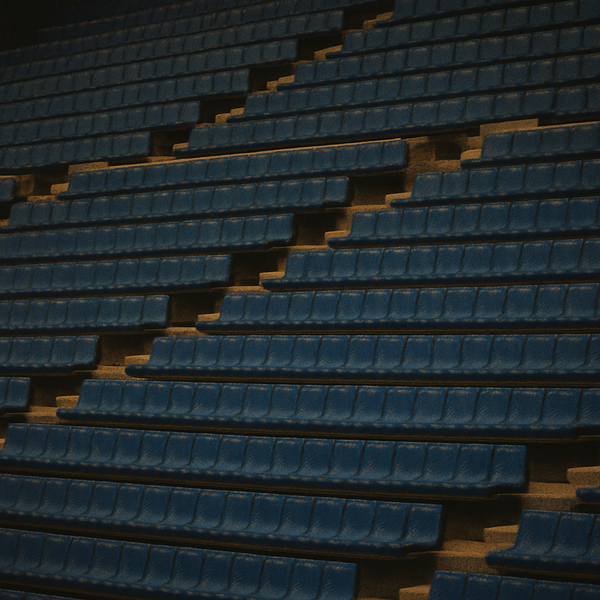
Think about what theater does best: it makes us complicit. When you watch a play, you're in the same room as these characters. You breathe the same air. There's no screen between you and the moral compromises, the betrayals, the moments when loyalty becomes stupidity or wisdom becomes cowardice. Imagine watching an actor unravel in front of you, night after night, making that psychological journey feel inevitable rather than rushed.
This is also where the "History Echoes" tag becomes relevant. The Mad King's reign and Robert's Rebellion aren't backstory, they're the original sin of everything that follows. By going backward in time, the play can explore how cycles of violence begin, how reasonable people make unreasonable choices, how paranoia becomes prophecy. Every audience member already knows how this ends, which gives the whole production the weight of classical tragedy. We're watching people make mistakes we know will destroy everything they love.
The timing feels significant too. Franchises are desperately trying to extend themselves across every possible medium, movies become TV shows, TV shows become games, games become movies. But theater offers something different. It can't compete on spectacle, so it competes on intimacy. It makes you care about these people not because they ride dragons but because they make choices you recognize and feel things you've felt.
There's something beautifully democratic about this too. Priority booking opens on 14 April 2026, with public booking to be confirmed the same month. The Royal Shakespeare Theatre in Stratford-upon-Avon isn't Madison Square Garden, it's a space where actual human beings will perform this story for other human beings, night after night, each performance slightly different, each audience shifting the energy in the room.
The internet culture around Game of Thrones has always been about collective experience, watching together, theorizing together, being disappointed or thrilled together. Theater is the original version of that. Before Reddit threads and Twitter reactions, people sat in the same room and experienced stories communally. They gasped at the same moments, laughed at the same jokes, felt the same tension build.
Theater's conventions might also solve adaptation problems that have plagued other Game of Thrones properties. Prophecies and visions, notoriously hard to film without looking cheesy, are theater's bread and butter. A lighting shift, a change in how actors move, and suddenly we're in a dream or a memory. The supernatural elements that felt awkward on screen could feel completely natural on stage, where imagination fills in what scenery can't provide.
The Mad King's story is particularly suited to this treatment. His descent into paranoia, the way loyalty curdles into fear around him, the terrible logic of preemptive violence, these are psychological territories theater has been exploring since Hamlet wondered whether to be or not to be. The RSC doesn't need dragon CGI to show us a king who burns people alive. They need an actor who can make us understand why he thinks it's necessary.
This adaptation points toward a different future for how we experience familiar stories. Instead of bigger budgets and more effects, what if we went smaller, more intimate, more human? What if the next evolution of franchise storytelling is a devolution, back to basics, back to actors and audiences sharing space and time?
The stage has always been where we work out our deepest anxieties about power, family, and loyalty. Adding dragons doesn't change that fundamental equation. If anything, it clarifies it. When you can't hide behind spectacle, you have to reckon with what these stories are about: people wanting things they can't have, protecting things they'll lose anyway, choosing between bad options and worse ones.
That's the real magic trick here. The RSC is taking one of the most expensive, effects-heavy franchises in entertainment history and betting that what people want is to sit in a room and watch human beings struggle with impossible choices. Based on everything I know about why we tell stories and why we listen to them, I think they're absolutely right.
References
- https://www.rsc.org.uk/press/releases/the-royal-shakespeare-company-presents-george-r.-r.-martin-s-game-of-thrones-the-mad-king
- https://www.rsc.org.uk/game-of-thrones-the-mad-king
- https://georgerrmartin.com/notablog/2026/02/19/the-mad-king-is-coming/
- https://deadline.com/2026/02/game-of-thrones-mad-king-director-interview-1236728454/
Models used: gpt-4.1, claude-opus-4-1-20250805, claude-sonnet-4-20250514, gpt-image-1
If this resonated, SouthPole is a slow newsletter about art, technology, and the old internet — written for people who still enjoy thinking in full sentences.