Metallica in Qatar: The Gulf's Unexpected Rock Revival
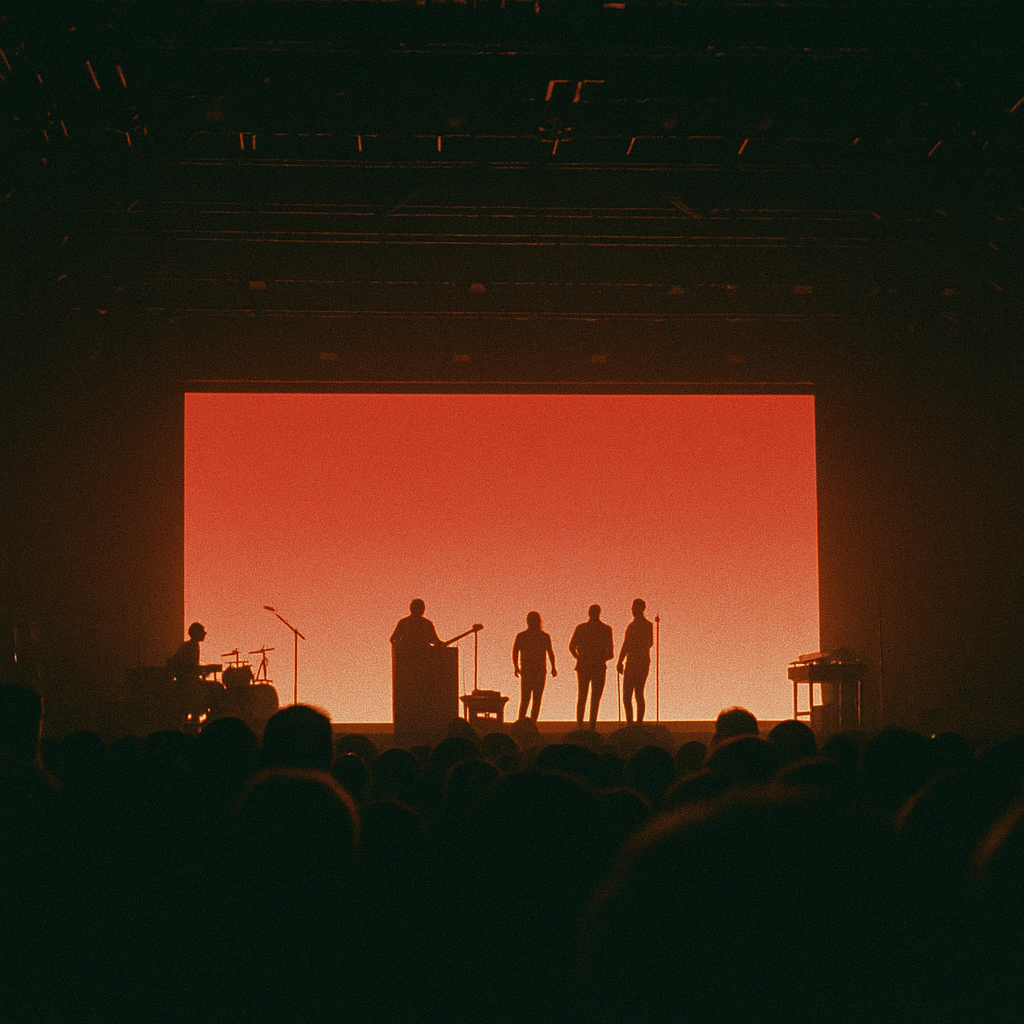
The desert wind carried something different through Doha on November 30, 2025—the unmistakable thunder of Lars Ulrich's double bass drums and James Hetfield's growl cutting through the Arabian night. Metallica, those Bay Area thrash titans who once sang about nuclear winter and sanitariums, planted their flag in Qatar soil. Not Dubai with its Vegas-style excess, not Abu Dhabi with its Formula One glitz, but Qatar—the same nation that hosted the World Cup while the world argued about sportswashing and migrant workers.
This wasn't supposed to happen. Rock bands of Metallica's caliber don't typically roll through the Gulf states like they're hitting Cleveland or Manchester. The region's relationship with Western rock has always been complicated, a dance between cultural conservatism and the hunger for global entertainment that oil money can buy. But there they were, the masters of puppets themselves, proving that even in the land of petroleum and prayer calls, there's room for power chords.
The Night the Desert Shook
Thousands of metalheads, many who'd waited decades for this moment, packed into a venue that usually hosts more sanitized entertainment. The performance delivered vintage Metallica, with pro-shot footage showing the band tearing through "Fuel" with their trademark intensity. The crowd witnessed a magnificent fireworks display after Metallica's performance, a sight that would've been unthinkable even five years ago.
What made this show historic wasn't just that it happened, but how it happened. No censored lyrics, no toned-down stage show, no compromise. The same band that once told the Recording Industry Association to shove it taught the Gulf states a lesson in cultural exchange that no amount of diplomatic summits could achieve. This was soft power with a distorted guitar.
The crowd itself was the real revelation. Qataris in traditional thobes headbanging next to Filipino expats, Western tech workers, and young Arabs who'd grown up streaming these songs in their bedrooms, finally experiencing them in the flesh. The government-backed organizers, who'd previously focused on bringing pop acts and DJ sets, took a calculated risk. Judging by the response, it paid off.
The Politics of Power Chords
Let's not pretend this was just about the music. Everything in the Gulf is political, whether it's a football match or a rock concert. Qatar's been on a spending spree since winning the World Cup bid, throwing money at anything that might reshape its image from "that gas-rich peninsula" to "global cultural destination." They've built museums, hosted sporting events, and now they're importing American metal bands.
The timing wasn't accidental. With Saudi Arabia's Vision 2030 turning the kingdom into an unexpected concert destination—they've hosted everyone from BTS to WWE—Qatar can't afford to look like the conservative cousin at the family reunion. The regional competition for cultural relevance is fierce, and live music has become another battlefield in the soft power wars.
Unlike the sanitized pop concerts that usually make it to the Gulf, Metallica represents something rawer, more dangerous. This is a band that built its reputation on anti-establishment rage, whose early albums were practically instruction manuals for suburban rebellion. Bringing them to Qatar wasn't just booking a concert; it was making a statement about what kind of cultural power the country wants to wield.
The security apparatus must have been sweating bullets. Rock concerts in conservative countries walk a tightrope between cultural opening and potential backlash. But the Qatari authorities handled it with surprising grace—no heavy-handed restrictions, no last-minute cancellations. They let Metallica be Metallica, understanding perhaps that authenticity can't be bought but can be hosted.
Beyond the Stream
This is where the story gets bigger than just one concert in the desert. While Silicon Valley's music platforms keep pushing their curated playlists and mood-based suggestions, trying to turn music into background noise for your workout or commute, Metallica in Qatar represented the opposite impulse—the hunger for real, live, loud music that demands your full attention.
The live music industry has been fighting a rearguard action against the streaming services for years. Every auto-generated playlist, every auto-tuned pop confection designed for TikTok virality, pushes us further from what music used to be: a communal experience, a tribal gathering, a moment of transcendence you can't capture in ones and zeros.
But in Qatar, of all places, we saw the counterpunch. Thousands of people who could easily stream any Metallica song on their phones chose instead to stand in the desert heat, to feel the bass in their chest, to scream along to "Sad But True" with strangers who became brothers and sisters for one night. No streaming service can replicate that. No computer program can generate that energy.
The Gulf states, in their hunger for cultural legitimacy, might accidentally be saving something essential about music. While Western venues close due to rising rents and declining attendance, while festivals get cancelled over insurance costs and noise complaints, the Middle East is building new temples to live music. The irony is delicious—the supposed bastions of conservatism becoming the new frontier for rock and roll.
The Sound of What's Coming
Metallica's Qatar show wasn't an ending; it was an opening riff. Already, other bands are eyeing the Gulf, seeing dollar signs and untapped audiences. The region's youth, connected to global culture through the internet but starved for live experiences, represent a market that's both lucrative and genuinely enthusiastic.
But let's not get too romantic about it. This is still a transaction, oil money buying cultural cache, governments using rock stars as props in their modernization theater. The same country that hosted Metallica still has laws that would make most Western artists blush. The contradiction isn't lost on anyone, least of all the bands themselves, who have to balance their bank accounts with their consciences.
Yet something real happened in that crowd. When thousands of voices joined Hetfield in screaming "Exit light, enter night," they weren't thinking about geopolitics or cultural imperialism. They were lost in the moment, in the music, in the primal release that only live rock can provide. That's the power that no government can fully control, no corporation can completely commodify.
The desert has always been a place of revelation, and on November 30, 2025, it revealed something important: rock and roll isn't dead, it's just finding new places to resurrect. While the West argues about cancel culture and safe spaces, while streaming services try to reduce music to data points, the Gulf is discovering what we've forgotten—that sometimes you need to stand in a crowd, feel the noise in your bones, and scream along to songs about darkness and redemption.
Metallica in Qatar wasn't just a concert. It was a reminder that music, real music, the kind that changes lives and challenges authority, can bloom anywhere—even in the most unexpected soil. The masters of puppets pulled the strings, and for one night, the whole region danced.
References
- https://blabbermouth.net/news/metallica-shares-pro-shot-video-of-fuel-performance-from-bands-first-ever-concert-in-qatar
- https://www.thenationalnews.com/arts-culture/2025/12/06/metallica-turn-etihad-park-into-a-hometown-show-for-the-middle-east
- https://www.thenationalnews.com/arts-culture/music-stage/2023/11/27/metallica-riyadh-saudi-arabia
- https://www.metallica.com/news/2025-10-06-one-more-show-in-2025.html
- https://www.yahoo.com/entertainment/music/articles/iconic-80s-rock-band-causes-040057966.html
Models used: gpt-4.1, claude-opus-4-1-20250805, claude-sonnet-4-20250514, gpt-image-1
If this resonated, SouthPole is a slow newsletter about art, technology, and the old internet — written for people who still enjoy thinking in full sentences.