From Drag Queens to Metal Kings: A Lesson in Authenticity

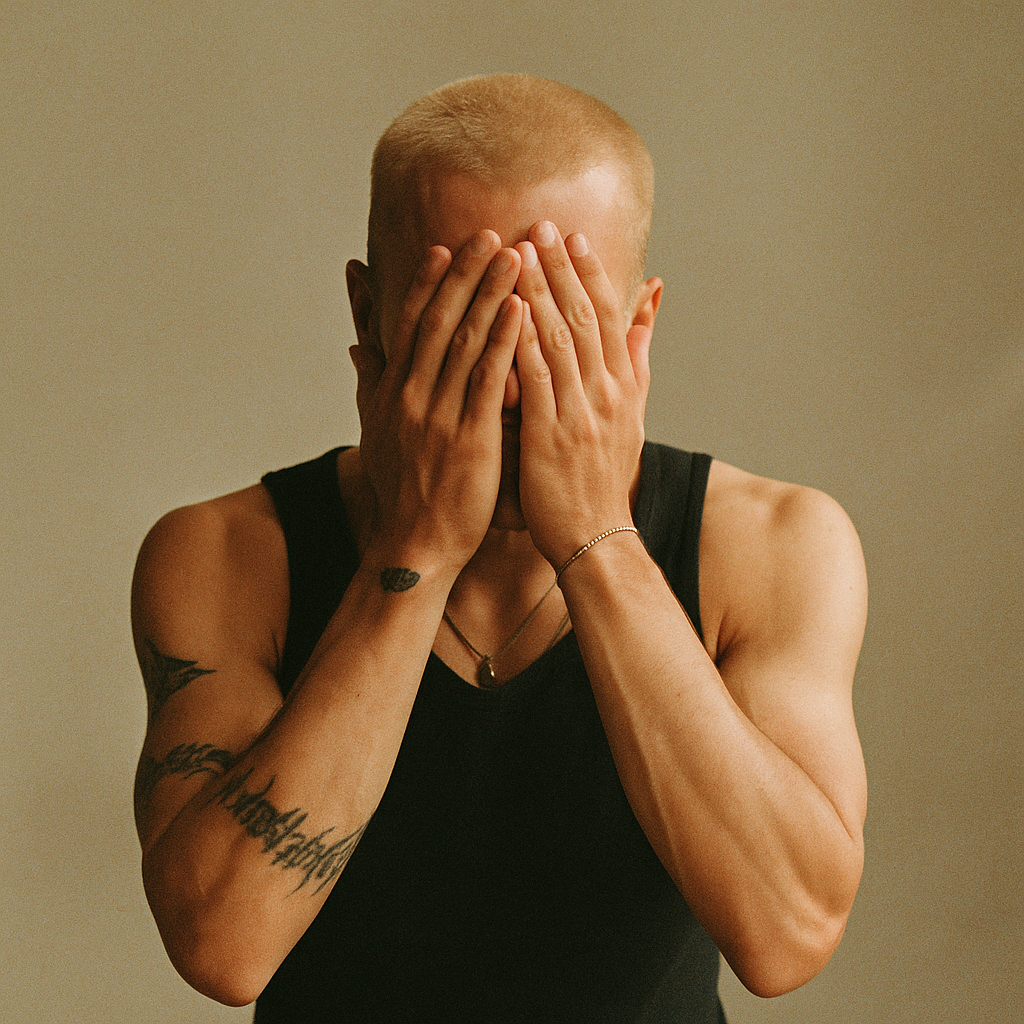
The best art happens when the mask slips. Whether it's mascara running down a queen's face or a vocalist's voice cracking on a high scream, the moment performance fails is the moment it becomes real.
I've been chewing on this since stumbling across Holder, who Stereogum describes as "part of the scene of extremely young bands who are into reviving the thundering metalcore sounds of the '00s in extremely sincere and epic ways." That word, sincere, keeps bouncing around my skull. In an era where every emotion can be manufactured, sincerity has become the new rebellion.
The Visible Machinery
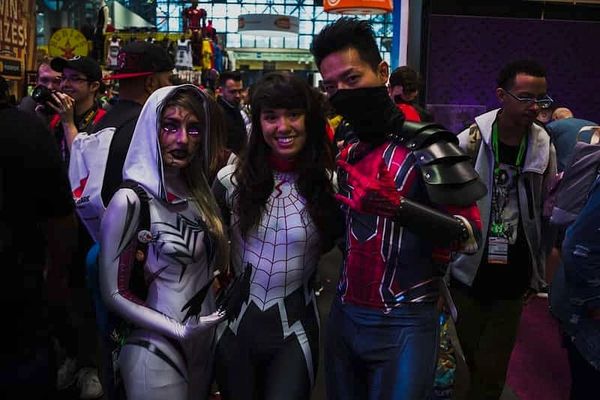
Here's what most people miss about RuPaul's Drag Race: it hides nothing. The cameras show the queens getting into drag, arguing backstage, breaking down when their hot glue guns fail them. As Nadine Friedman argued in Salon, the show connects to Brecht's Epic Theatre by making "all technical components visible" to create productive detachment.
This transparency is exactly what hardcore and metalcore have always done. When Holder shares tracks like "Inconsolable," they're channeling that early 2000s metalcore energy with the kind of earnest commitment that makes cynics uncomfortable.
Both drag queens and metalcore bands build authenticity through acknowledged artifice. A drag queen doesn't pretend to be a woman; she creates Woman as performance art, as political statement, as celebration. A metalcore band doesn't pretend their rage is spontaneous; they structure it into breakdowns and blast beats. Both forms say: here's the construction, here's what it costs to make you feel something.
Blood on the Stage
The labor is the point. Every death drop risks injury. Every wig costs rent money. Every runway look represents hours of hand-sewing that the cameras capture in exhausting detail. The show has pulled back what Mic calls "the chiffon curtain," revealing an art form that demands everything.
This is the same ethic driving the metalcore revival. These aren't trust fund kids playing at rebellion. When they scream about ruin and being inconsolable, they're channeling something real through the traditional metalcore framework: palm-muted chugs, pinch harmonics, and all.
Both communities understand authenticity isn't about being "natural." It's about honesty regarding the effort. You can't download authenticity. You have to bleed for it.
Against the Machine
As manufactured content floods streaming platforms and virtual influencers rack up millions of followers, drag queens and metalcore bands represent something machines can't replicate: the beautiful failure of human effort.
Watch a queen's wig slip during a lip-sync battle. Watch a vocalist's voice crack on a high scream. These aren't bugs; they're features. They remind us someone is risking something. Sure, you could program the perfect breakdown, quantize every drum hit, pitch-correct every scream. But then you'd lose what makes it matter: the guitarist's strings breaking mid-song, the vocalist spitting blood after a mic collision, the drummer playing through blisters. The imperfection is the proof of life.
The Resistance
When drag performers faced backlash and threats, they didn't retreat into irony or apologize for their existence. They doubled down, cranked up to eleven.
This is the same spirit animating the metalcore revival. In an age of playlist culture, these bands are making albums that demand forty minutes of your life. They're booking DIY tours in vans that barely run. They're pressing vinyl that costs more to produce than it'll ever earn back. Because some things are worth doing wrong if it means doing them yourself.
The comparison might seem strange, glamorous queens and grimacing metalheads, but both represent the last stand of performed authenticity against manufactured content. A drag queen in full face isn't lying to you. She's showing you how much work it takes to become herself. A metalcore band with synchronized headbanging isn't pretending to be spontaneous. They're showing you that even rage requires rehearsal.
The Human Element
While content farms crank out AI-generated slop, these communities offer a different path. Not backwards to some imagined authentic past, but forward where effort is visible, failure is possible, and humanity is the point.
The kids in Holder aren't nostalgic. They're using old tools to solve new problems, the same way drag queens use ancient traditions of transformation to navigate contemporary identity. Both understand that in a world of infinite content, what matters isn't perfection. It's presence.
When everything can be faked, the only rebellion left is showing your work. Every badly glued rhinestone, every feedback squeal, every voice crack and slip becomes an act of resistance. Not resistance to progress, but resistance to the idea that human messiness is a bug rather than the whole damn feature.
So here's to the queens and the kings, the metalcore kids and the drag artists, everyone who understands that authenticity isn't something you achieve. It's something you perform, badly and beautifully, until the performance becomes the truth.
That mascara on the queen's face, the blood on a vocalist's lip? That's where the real music lives.
References
- https://stereogum.com/2486478/holder-inconsolable-ruin-the-best-of-me/music
- https://www.salon.com/2015/03/30/the_epic_theater_of_rupauls_drag_race_the_surprising_intellectual_rigor_behind_tvs_most_campy_competition
- https://www.mic.com/articles/57543/rupaul-s-drag-race-is-a-surprising-key-player-in-the-fight-for-lgbt-acceptance
- https://glaad.org/anti-drag-extremism/
Models used: gpt-4.1, claude-opus-4-1-20250805, claude-sonnet-4-20250514, gpt-image-1
If this resonated, SouthPole is a slow newsletter about art, technology, and the old internet — written for people who still enjoy thinking in full sentences.